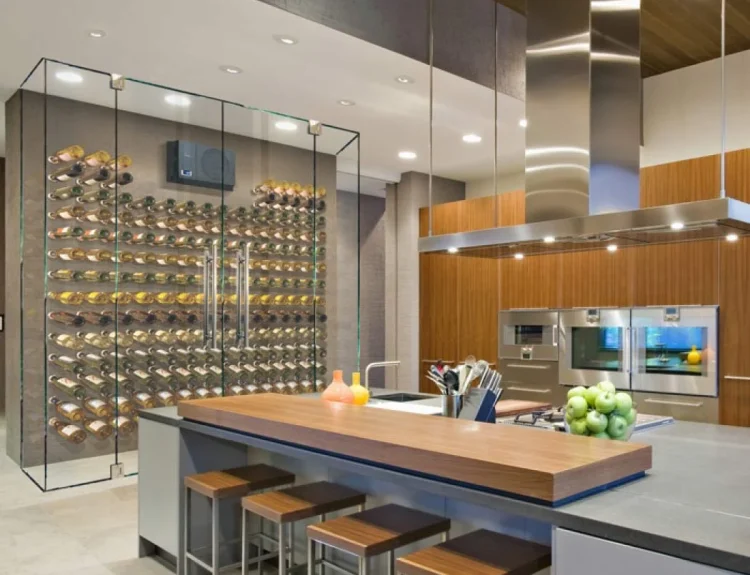
Architecture is more than the design of buildings; it is a profound expression of human creativity, cultural values, and technological ingenuity. As an anchor in both history and modern society, architecture shapes not only our physical environment but also how we live, work, and interact. Its influence permeates art, urban planning, sustainability, and even psychology, making it a multidisciplinary field where functionality meets aesthetics. Understanding architecture requires an exploration of its principles, styles, materials, and the underlying philosophies that drive its evolution.
The Foundations of Architecture
Architecture is built upon both technical knowledge and artistic vision. At its core, it combines engineering principles with creative design, creating structures that must endure environmental stress while providing aesthetic pleasure. The foundational aspects of architecture include:
- Functionality: Every architectural project begins with a purpose. Residential, commercial, or institutional buildings must serve the needs of their users efficiently. Functionality dictates layout, accessibility, and the use of space.
- Aesthetic Appeal: Beyond utility, architecture communicates visually. Proportion, symmetry, texture, and color all play critical roles in creating harmony within structures.
- Structural Integrity: Architecture requires engineering expertise to ensure that buildings are safe and stable. This involves material selection, load-bearing analysis, and adherence to building codes.
- Environmental Responsiveness: Sustainable architecture considers the ecological impact of design. Factors like energy efficiency, natural lighting, and climate adaptation are now central to modern architectural planning.
Understanding these elements is crucial for architects to create spaces that are both visually striking and purpose-driven.
Historical Evolution of Architecture
Architecture has evolved alongside human civilization, reflecting societal changes, technological progress, and cultural influences. Each era brought unique innovations and design philosophies:
Ancient Architecture
- Egyptian Architecture: Characterized by monumental structures like the pyramids, Egyptian architecture emphasized durability, grandeur, and symbolic representation. The use of limestone and granite allowed for intricate carvings and massive, enduring constructions.
- Greek and Roman Architecture: Greek architecture introduced classical orders, proportion, and open-air theaters, while Roman architecture advanced the use of arches, vaults, and concrete, enabling large-scale public buildings like aqueducts and amphitheaters.
Medieval and Renaissance Architecture
- Gothic Architecture: Dominant in Europe, Gothic architecture is recognized for its pointed arches, ribbed vaults, and flying buttresses. Cathedrals such as Notre-Dame exemplify the verticality and light-filled spaces of this era.
- Renaissance Architecture: Inspired by classical antiquity, Renaissance architecture focused on symmetry, perspective, and the human scale. Architects like Filippo Brunelleschi pioneered the use of domes and proportional designs that influenced generations to come.
Modern Architecture
- Industrial Era: The 19th century introduced iron, steel, and glass as structural materials, allowing unprecedented scale and flexibility in design. Skyscrapers emerged as symbols of urban progress.
- 20th Century Movements: Modernism emphasized minimalism, functionality, and the rejection of ornamental excess. Architects like Le Corbusier and Frank Lloyd Wright explored new forms, integrating nature and open-plan interiors into their designs.
Contemporary Architecture
Contemporary architecture blends technology, sustainability, and cultural sensitivity. Smart buildings incorporate automation, energy management, and innovative materials. Parametric design, 3D printing, and adaptive reuse are redefining how spaces are conceptualized and built.
Key Architectural Styles
Architecture is distinguished by styles that convey particular aesthetics and cultural messages. Understanding these styles is essential for both practitioners and enthusiasts:
- Classical Architecture: Rooted in Greek and Roman traditions, emphasizing symmetry, columns, and proportion.
- Baroque Architecture: Grandiose, dramatic, and often adorned with intricate detailing and sculptures.
- Art Deco: Features geometric patterns, bold lines, and the use of modern materials like aluminum and stainless steel.
- Brutalism: Known for raw concrete forms and stark functionality, often evoking a sense of monumentality.
- Sustainable/Green Architecture: Focuses on reducing environmental impact, using renewable materials, and integrating natural systems.
Each style embodies different philosophical, cultural, and technological principles, providing a lens through which societies express identity.
Materials and Technology in Architecture
The evolution of architecture is closely linked to advances in materials and construction techniques. Key materials include:
- Concrete and Steel: Provide strength and flexibility, enabling high-rise buildings and long-span structures.
- Glass: Facilitates natural lighting, transparency, and aesthetic elegance.
- Wood: Offers warmth, versatility, and sustainability, particularly in residential architecture.
- Innovative Materials: Composite materials, recycled elements, and smart surfaces enhance performance and energy efficiency.
Modern architecture increasingly integrates technology, such as Building Information Modeling (BIM), virtual reality for design visualization, and parametric software for complex forms. These tools allow architects to optimize structural performance, environmental impact, and visual impact simultaneously.
The Role of Sustainability in Architecture
Sustainable architecture is no longer optional; it is imperative. Climate change, resource scarcity, and urban growth require architects to design with environmental responsibility in mind. Key sustainable strategies include:
- Energy Efficiency: Utilizing solar panels, geothermal systems, and energy-efficient HVAC systems.
- Water Management: Implementing rainwater harvesting, greywater recycling, and efficient plumbing systems.
- Material Selection: Choosing locally sourced, recycled, and low-carbon materials to reduce environmental impact.
- Urban Integration: Designing buildings that harmonize with surrounding ecosystems and minimize heat island effects.
Green architecture not only reduces carbon footprints but also enhances occupant well-being through improved air quality, natural lighting, and biophilic design principles.
Cultural and Psychological Impacts of Architecture
Architecture influences human behavior, perception, and social interaction. Well-designed spaces can enhance productivity, mental health, and community cohesion. Examples include:
- Residential Spaces: Open layouts and natural light foster comfort and social connection.
- Workspaces: Ergonomic design, acoustic management, and collaborative zones boost efficiency and creativity.
- Public Spaces: Plazas, parks, and cultural centers encourage social engagement and cultural expression.
- Healthcare Architecture: Incorporates calming environments, patient-centered layouts, and healing gardens to improve outcomes.
Architects must balance functionality with psychological and cultural sensitivity, ensuring that built environments support human needs on multiple levels.
Urban Planning and Architecture
Architecture extends beyond individual buildings to the design of entire cities. Urban planning considers density, transportation, public space, and zoning regulations. Key concepts include:
- Mixed-Use Development: Combining residential, commercial, and recreational spaces to reduce travel times and encourage vibrant communities.
- Transit-Oriented Design: Integrating transportation hubs with pedestrian-friendly streets and cycling networks.
- Resilient Urban Design: Preparing cities for climate impacts, natural disasters, and demographic changes through adaptable infrastructure.
Effective urban planning transforms architecture into a tool for societal advancement, economic growth, and sustainable living.
Emerging Trends in Architecture
Architecture continues to evolve rapidly, driven by technology, social change, and environmental awareness. Current trends include:
- Parametric and Algorithmic Design: Utilizing algorithms to generate complex, optimized building forms.
- Adaptive Reuse: Converting old buildings into new functions, preserving heritage while reducing waste.
- Smart Buildings: Incorporating IoT devices for real-time monitoring of energy use, security, and environmental conditions.
- Biophilic Design: Integrating natural elements like green walls, indoor gardens, and natural light to enhance well-being.
- Modular Construction: Prefabricated components that reduce construction time and costs while improving quality control.
These trends highlight architecture’s capacity to innovate while responding to societal and environmental challenges.
Careers and Education in Architecture
Becoming an architect requires a combination of formal education, practical training, and licensure. Typical paths include:
- Bachelor’s Degree in Architecture: Covers design principles, history, materials, and construction methods.
- Master’s Degree (Optional): Focuses on specialization, research, and advanced design techniques.
- Internship/Practical Experience: Provides hands-on exposure to design, project management, and construction processes.
- Licensing and Registration: Required to legally practice; varies by country but typically involves exams and professional experience.
Architects can specialize in residential, commercial, landscape, interior, urban design, or sustainable architecture, offering diverse career pathways.
Real-Life Applications and Case Studies
- Fallingwater, Pennsylvania: Designed by Frank Lloyd Wright, exemplifies harmony with nature and organic architecture principles.
- The Shard, London: A modern skyscraper that integrates advanced engineering, sustainable systems, and iconic aesthetics.
- Masdar City, UAE: A planned urban development focusing on renewable energy, sustainable materials, and low-carbon mobility.
These examples illustrate how architecture shapes not just physical space but human experience and cultural identity.
Conclusion
Architecture is a dynamic discipline that merges creativity, science, culture, and sustainability. It reflects our aspirations, technological capabilities, and environmental responsibilities. From historical monuments to futuristic smart cities, architecture continues to define how humanity interacts with the world. By understanding its principles, materials, cultural significance, and emerging trends, we appreciate architecture not merely as construction but as a transformative force shaping societies and enhancing human life.
FAQs About Architecture
What is the difference between architecture and civil engineering?
Architecture focuses on the design, aesthetics, and functionality of spaces, while civil engineering emphasizes structural integrity, construction methods, and infrastructure systems. Both disciplines collaborate
closely in building projects.
How does sustainable architecture benefit occupants?
Sustainable architecture improves indoor air quality, access to natural light, thermal comfort, and overall well-being. It also reduces utility costs and environmental impact.
What are some emerging technologies in architecture?
Building Information Modeling (BIM), 3D printing, parametric design software, smart building systems, and virtual/augmented reality for design visualization are key technologies transforming the field.
Can architecture influence social behavior?
Yes, thoughtful design affects social interaction, productivity, and mental health. For example, open communal spaces encourage collaboration, while natural lighting and green spaces improve mood and focus.
What role does cultural context play in architectural design?
Cultural context informs style, symbolism, material choice, and spatial organization. Buildings often reflect local traditions, climate adaptation, and societal values.
How do architects address climate change?
Architects adopt sustainable materials, energy-efficient designs, passive cooling/heating systems, and urban planning strategies to minimize carbon footprints and enhance resilience.
Is architecture only about buildings?
No, architecture encompasses urban planning, landscape design, interior spaces, infrastructure, and sometimes even temporary installations, influencing both micro and macro environments.