
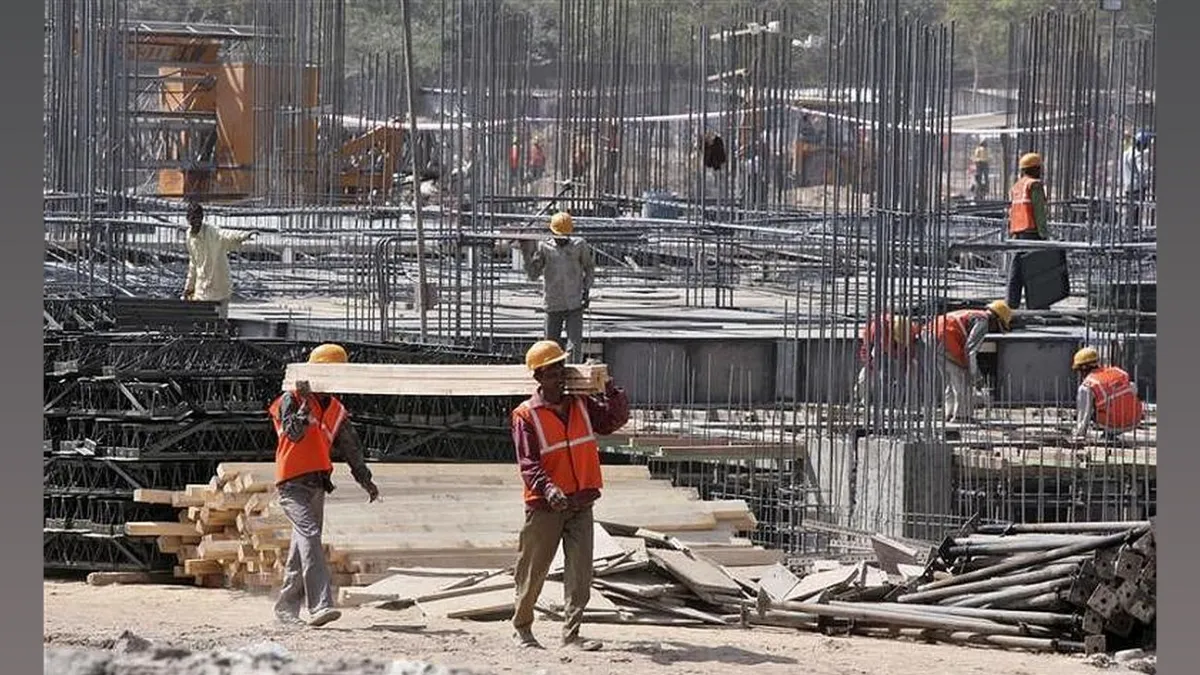

Construction is a broad and dynamic field that touches nearly every aspect of modern life. It encompasses the planning, design, execution, and management of structures and infrastructure, from residential homes to sprawling commercial complexes and monumental public works. The construction industry is integral to the growth and development of economies, shaping skylines, creating jobs, and improving quality of life. However, the intricacies of construction go far beyond the visible structures; they involve advanced planning, coordination, resource management, and innovation.
The Core Principles of Construction
Construction is a multifaceted process that combines technical skills, management practices, and creative design. Understanding the fundamental principles of construction is key to appreciating its complexity.
1. Planning and Design
The foundation of any construction project lies in careful planning and design. Architects, engineers, and construction managers collaborate to transform an idea into a tangible structure. Key steps in planning include:
- Blueprint Development: Architects create detailed plans that specify the structure’s dimensions, materials, and layout.
- Site Selection and Evaluation: Before construction begins, the location must be assessed for factors like soil quality, accessibility, zoning regulations, and environmental impact.
- Budgeting: A comprehensive budget is established, factoring in materials, labor, equipment, permits, and contingency funds.
- Project Scheduling: Creating a timeline that outlines key milestones, deliverables, and deadlines helps ensure that projects are completed on time and within budget.
2. Materials and Technology
The selection of materials and the use of technology are critical to the construction process. These factors not only affect the aesthetics and functionality of the building but also its durability, safety, and energy efficiency.
- Sustainable Materials: With growing environmental concerns, the industry increasingly favors sustainable, recyclable, and energy-efficient materials like bamboo, recycled steel, and low-emission concrete.
- Advanced Technology: The use of technology like Building Information Modeling (BIM), drones for surveying, and 3D printing is transforming construction practices, enhancing precision, and speeding up project delivery.
- Innovative Construction Techniques: Modular construction, pre-fabrication, and adaptive reuse are techniques that reduce construction time and improve cost-efficiency.
3. Labor and Workforce
A skilled and experienced workforce is essential for any construction project. Laborers, carpenters, masons, electricians, plumbers, and project managers must work together to ensure seamless execution.
- Specialized Trades: Different tasks in construction require specialized skill sets, each playing a role in the overall success of the project.
- Safety Protocols: Given the physically demanding and potentially hazardous nature of construction work, safety protocols are critical to protect workers. This includes the use of protective gear, proper training, and adherence to OSHA (Occupational Safety and Health Administration) regulations.
- Labor Trends: The construction industry faces challenges in terms of skilled labor shortages, with efforts to train and retain workers being vital to the sector’s sustainability.
The Stages of a Construction Project
Construction projects typically go through several stages, each of which requires careful attention to detail and effective management. These stages are interdependent, with the success of each phase relying on the completion of the preceding one.
1. Pre-Construction Phase
The pre-construction phase involves all the groundwork required to ensure a successful build.
- Feasibility Study: This includes market analysis, risk assessment, and ensuring that the project is economically viable.
- Permitting and Approvals: Securing the necessary permits and approvals from local authorities is often a time-consuming process that involves adhering to zoning laws, building codes, and environmental regulations.
- Design Finalization: This includes the finalization of architectural plans, structural engineering, and the choice of materials.
2. Construction Phase
The construction phase is where the actual work takes place, from laying the foundation to completing the structure.
- Site Preparation: This includes clearing the land, excavating, and grading to prepare for construction.
- Foundation Work: A solid foundation is key to the stability of the entire building. This could involve concrete, steel piles, or other materials depending on the structure’s requirements.
- Structural Framework: The framework of the building, whether made from steel, concrete, or wood, is constructed during this phase. This includes floors, walls, and the roof.
- Mechanical, Electrical, and Plumbing (MEP): This stage involves installing the critical systems that make the building functional, including HVAC (heating, ventilation, air conditioning), electrical wiring, and plumbing systems.
- Interior and Exterior Finishing: This involves adding drywall, flooring, painting, and final touches like windows, doors, and exterior facades.
3. Post-Construction Phase
Once the construction is completed, several final steps ensure the project is properly handed over to the client.
- Inspections and Quality Control: Thorough inspections are conducted to ensure compliance with building codes, safety standards, and contract specifications.
- Punch List: This is a list of final tasks and corrections that need to be addressed before the project is considered fully complete.
- Handover and Occupancy: After the project passes all inspections and final touches are made, the structure is handed over to the client, and it is officially ready for occupancy.
Challenges and Risks in Construction
Construction is not without its challenges. From cost overruns to unforeseen delays, the industry is susceptible to numerous risks that can impact the successful completion of a project.
1. Cost Overruns
Construction projects often experience budget overruns due to various factors, including changes in project scope, unforeseen material price increases, and errors in initial cost estimations. To manage this, project managers use careful budgeting practices, risk assessments, and contingency planning.
2. Delays
Delays are a common issue in construction, often caused by weather conditions, labor shortages, or issues with subcontractors. Effective project management and contingency plans can help mitigate these delays.
3. Safety Risks
Construction sites are inherently dangerous, and safety risks remain a significant concern. It is critical for construction managers to enforce safety regulations, provide ongoing training, and ensure that workers are using the correct safety equipment.
4. Environmental Impact
With increasing awareness of climate change, construction companies are under pressure to reduce their environmental impact. This includes waste management, energy consumption, and choosing environmentally friendly materials.
The Future of Construction
The construction industry is undergoing a transformation driven by innovation, sustainability, and changing societal needs. The future of construction will likely be defined by several key trends:
1. Sustainability and Green Building
As the world grapples with environmental challenges, sustainable construction practices are becoming more prominent. Green building standards, such as LEED (Leadership in Energy and Environmental Design), are pushing the industry toward more energy-efficient and resource-conscious methods.
2. Smart Buildings
The integration of smart technologies is revolutionizing how buildings operate. Smart buildings use Internet of Things (IoT) devices to control systems like lighting, HVAC, and security, offering increased efficiency and convenience.
3. Modular Construction
Modular construction, which involves prefabricating building components off-site and assembling them on-site, is gaining traction for its speed, efficiency, and reduced waste.
4. Robotics and Automation
The use of robots and automated machinery in construction is increasing, improving precision, safety, and productivity. From 3D printing to drone surveying, automation is reshaping how construction tasks are completed.
5. Virtual Reality and Augmented Reality
VR and AR are becoming essential tools for design visualization and training. Architects and clients can use VR to walk through virtual representations of buildings before construction begins, helping to identify design flaws early.
Careers in Construction
The construction industry offers a wide range of career opportunities, from project management and engineering to skilled labor and technical support.
- Project Managers: Oversee construction projects from start to finish, ensuring that they are completed on time, within budget, and to the required standards.
- Civil Engineers: Design and supervise infrastructure projects, ensuring that buildings, bridges, and roads are structurally sound.
- Skilled Trades: Carpenters, electricians, plumbers, and other skilled workers are essential to the construction process, providing hands-on expertise.
- Architects and Designers: Responsible for creating blueprints, overseeing design processes, and ensuring that the aesthetic and functional aspects of the building align.
Frequently Asked Questions
What are the most common types of construction projects?
The most common types include residential, commercial, industrial, and civil engineering projects like roads, bridges, and utilities.
How does construction project management work?
Construction project management involves planning, coordinating, and overseeing every aspect of a project, from initial design to final handover. This includes budgeting, scheduling, and managing resources and labor.
What are the major safety risks on a construction site?
Major risks include falls, equipment accidents, electrical hazards, and being struck by objects. Safety protocols, training, and protective equipment help minimize these risks.
What is the impact of climate change on construction?
Climate change is leading to a greater focus on sustainable construction, including energy-efficient buildings, the use of renewable materials, and designing for resilience against extreme weather events.
How are smart technologies changing construction?
Smart technologies, such as IoT, automation, and AI, are streamlining processes, improving safety, and enhancing building efficiency by monitoring and controlling systems in real-time.