
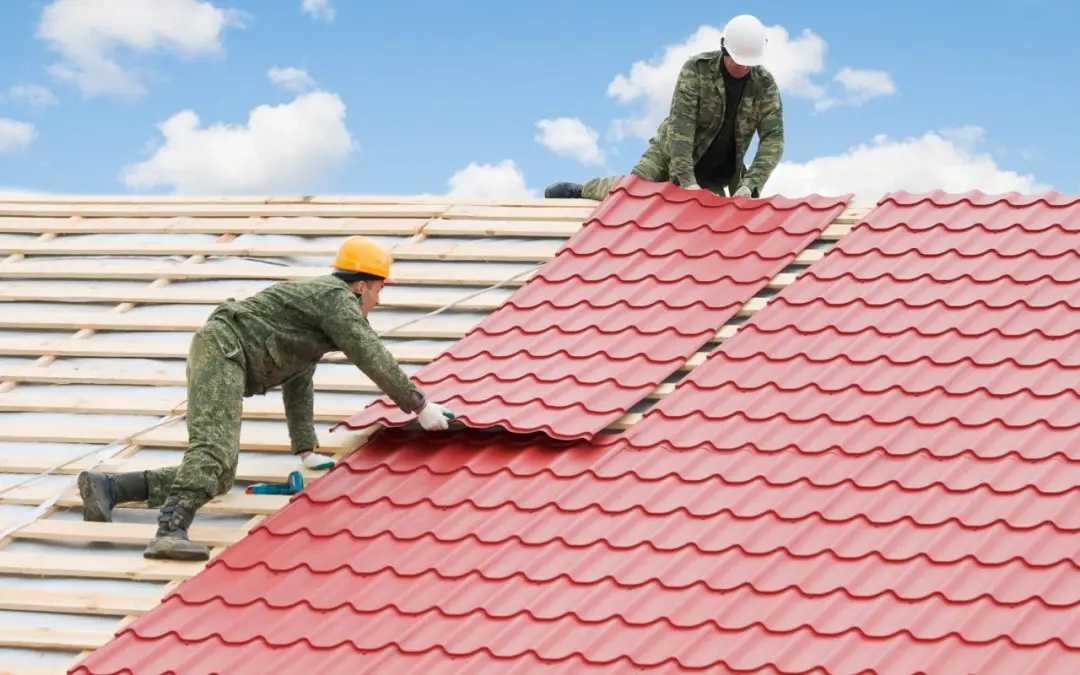

Roofing is an essential component of any building, providing protection, structural integrity, and aesthetic appeal. Choosing the right roofing system is not only about the look but also about durability, energy efficiency, and long-term cost savings. In this article, we delve into roofing from every angle—from materials and installation techniques to maintenance and emerging innovations. This guide is designed to provide homeowners, contractors, and architects with a detailed, evidence-backed perspective on roofing that goes beyond the basics.
Understanding Roofing Systems
A roofing system is more than just shingles or tiles on top of a structure. It encompasses multiple layers designed to protect the interior from weather elements, provide insulation, and support the building’s structure.
Components of a Roofing System
- Decking: This is the foundation of the roof, usually made of plywood or oriented strand board (OSB), providing a base for all other materials.
- Underlayment: Installed over the decking, underlayment acts as a secondary barrier against water infiltration. Materials often include felt, synthetic underlayments, or rubberized asphalt.
- Flashing: Metal strips applied at joints, valleys, and roof penetrations to prevent leaks.
- Roofing Material: The topmost layer that is visible. Choices range from asphalt shingles to slate, metal, clay tiles, or innovative synthetic products.
- Ventilation: Proper airflow is crucial to prevent moisture buildup and prolong roof life. Ridge vents, soffit vents, and gable vents are common solutions.
- Gutters and Drainage Systems: Effective water management is key for preventing structural damage.
Types of Roofing Materials
Selecting the right roofing material involves balancing aesthetics, cost, durability, and climate adaptability.
Asphalt Shingles
Asphalt shingles dominate the residential market in the USA due to affordability, ease of installation, and versatility. They come in three main varieties:
- Three-tab shingles: Standard, flat, cost-effective, and lightweight.
- Architectural shingles: Thicker, dimensional look, better longevity, and higher wind resistance.
- Premium shingles: Engineered for maximum durability and often mimic the appearance of slate or wood.
Advantages:
- Cost-effective with installation costs typically lower than other materials.
- Lightweight, reducing structural stress on homes.
- Variety of colors and textures.
Considerations:
- Lifespan generally ranges from 20 to 30 years.
- Susceptible to algae growth in humid climates unless treated.
Metal Roofing
Metal roofing is gaining popularity for its durability, longevity, and energy efficiency. Common metals include steel, aluminum, copper, and zinc.
Advantages:
- Can last 40–70 years with proper maintenance.
- Highly resistant to fire, wind, and hail damage.
- Reflective surfaces reduce energy costs by deflecting heat.
Considerations:
- Higher initial investment compared to asphalt.
- Noise can be a factor during rain or hail without proper insulation.
Tile Roofing
Tile roofing, including clay and concrete tiles, offers unmatched aesthetic appeal and durability, particularly in warmer climates.
Advantages:
- Can last over 50 years with proper maintenance.
- Excellent thermal insulation.
- Resistant to fire and insect damage.
Considerations:
- Heavy, requiring reinforced roof structures.
- Installation costs are significantly higher.
- Fragile under certain impacts; walking on tiles can cause damage.
Slate Roofing
Slate is a natural stone material prized for elegance, longevity, and minimal maintenance needs.
Advantages:
- Lifespan of over 100 years.
- Naturally fire-resistant and environmentally sustainable.
- Adds significant property value.
Considerations:
- Extremely heavy; structural reinforcement is mandatory.
- Very high installation costs.
- Limited color and texture options compared to synthetic alternatives.
Synthetic and Composite Materials
Modern synthetic roofing combines recycled materials with polymers to mimic traditional materials like slate, wood, or clay while offering improved durability and lighter weight.
Advantages:
- Lightweight yet strong.
- Cost-effective compared to natural stone or tile.
- Resistant to cracking, fading, and impact.
Considerations:
- May not have the same long-term track record as traditional materials.
- Color options can be limited depending on the manufacturer.
Roofing Installation: Best Practices
Proper installation is just as critical as the choice of materials. Errors during installation can lead to leaks, reduced lifespan, and costly repairs.
Pre-Installation Considerations
- Structural Inspection: Evaluate decking, joists, and load-bearing elements.
- Local Building Codes: Compliance ensures safety and prevents fines.
- Weather Conditions: Roof installation is ideally done during dry, mild weather to prevent moisture-related issues.
Installation Process
- Deck Preparation: Repair damaged decking and ensure a flat, stable surface.
- Underlayment Application: Roll out felt or synthetic layers, overlapping to prevent leaks.
- Flashing Installation: Place metal flashing around chimneys, vents, valleys, and edges.
- Material Placement: Follow manufacturer specifications for spacing, nailing patterns, and overlap.
- Ventilation and Drainage Setup: Ensure ridge vents, soffit vents, and gutters are installed properly for efficient airflow and water runoff.
Common Installation Mistakes
- Improper nailing patterns leading to loose shingles.
- Insufficient underlayment causing leaks.
- Incorrect flashing placement, especially in valleys and around roof penetrations.
- Poor attic ventilation, which can accelerate material degradation.
Roof Maintenance and Longevity
Maintaining a roof extends its life and prevents costly repairs.
Routine Maintenance Tasks
- Regular Inspections: Check for damaged shingles, loose flashing, or signs of water damage twice a year and after major storms.
- Gutter Cleaning: Remove debris to prevent water buildup and roof leaks.
- Moss and Algae Removal: Clean biological growth using appropriate treatments to prevent material deterioration.
- Sealant Checks: Ensure caulking and sealants around roof penetrations remain intact.
Signs Your Roof Needs Replacement
- Frequent leaks or water stains on ceilings.
- Curling, cracked, or missing shingles.
- Sagging roof deck.
- Excessive granule loss from asphalt shingles.
Roof Lifespan by Material
- Asphalt Shingles: 20–30 years.
- Metal: 40–70 years.
- Tile: 50+ years.
- Slate: 75–100+ years.
- Synthetic/Composite: 30–50 years.
Innovations and Sustainable Roofing Solutions
The roofing industry is embracing sustainability and energy efficiency.
Cool Roofs
Cool roofs use reflective materials to deflect sunlight, reducing heat absorption and cooling costs.
Green Roofs
Vegetative or green roofs involve planting greenery atop roofing systems. Benefits include:
- Reduced stormwater runoff.
- Improved insulation.
- Enhanced air quality.
Solar Integration
Solar panels can be integrated into roofs to provide renewable energy, reduce electricity bills, and increase property value. Some manufacturers even offer solar shingles that blend seamlessly with traditional roofing materials.
Recycled and Eco-Friendly Materials
Innovative roofing products now use recycled rubber, plastics, and composite materials, lowering the environmental footprint without sacrificing performance.
Cost Considerations and Budgeting
Budgeting for a roof goes beyond material costs.
- Material Costs: Asphalt shingles are the most affordable, while slate and tile are at the higher end.
- Labor Costs: Professional installation can range widely depending on complexity and region.
- Maintenance and Repairs: Factor in routine upkeep to maximize lifespan.
- Insurance and Warranties: Consider insurance coverage for storm damage and manufacturer warranties for materials.
Roofing Safety Tips
Roofing work can be hazardous. Always prioritize safety:
- Use harnesses and proper fall protection.
- Work on stable ladders and scaffolding.
- Avoid working during wet or windy conditions.
- Wear appropriate personal protective equipment, including gloves, non-slip footwear, and helmets.
Choosing the Right Roofing Contractor
Selecting an experienced and reputable contractor ensures proper installation and long-term performance. Look for:
- Verified licenses and insurance coverage.
- Positive references and reviews.
- Detailed written estimates and warranties.
- Knowledge of local building codes and climate-specific solutions.
FAQs About Roofing
Q1: How often should I inspect my roof?
Professional inspections should be done twice a year, typically in spring and fall, and after major storms to catch damage early.
Q2: Can I install a new roof over my old one?
In some cases, asphalt shingles can be layered over an existing roof, but structural limitations and local building codes may require a full tear-off.
Q3: How can I increase my roof’s lifespan?
Regular inspections, prompt repairs, proper ventilation, and routine cleaning of gutters and moss can extend your roof’s life significantly.
Q4: Is it worth investing in energy-efficient roofing?
Yes. Cool roofs, reflective materials, and solar integration can reduce energy costs, increase property value, and contribute to sustainability.
Q5: What is the most durable roofing material?
Slate is considered the most durable with a potential lifespan of over 100 years, followed closely by metal and high-quality tile roofing.
Q6: How do I know if my roof is leaking?
Look for water stains on ceilings, sagging areas, mold growth in the attic, or missing/shifting shingles after heavy rain or storms.
Q7: Can I DIY my roof installation?
While small repairs can be DIY, full installations are complex and dangerous. Professional contractors are recommended for safety and compliance with building codes.