
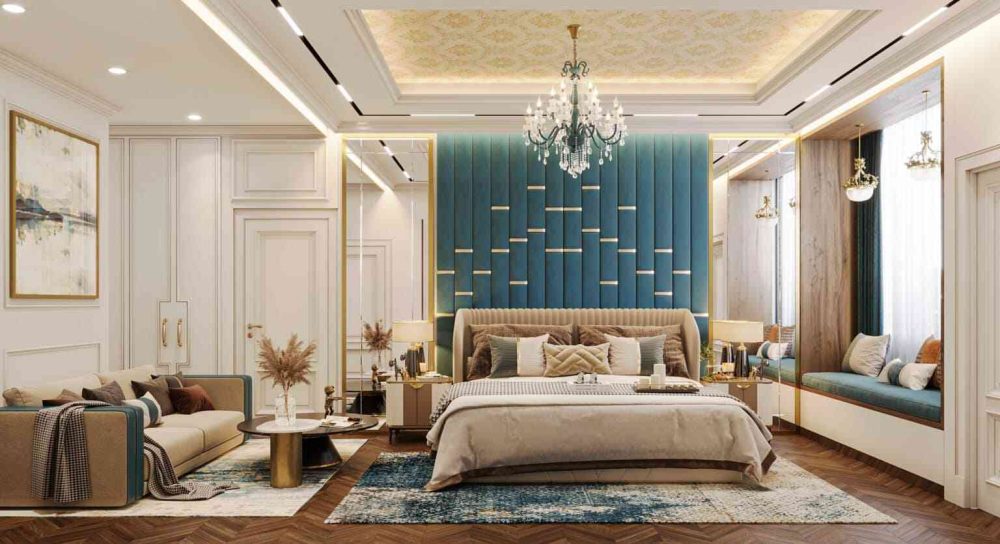

Furniture is an essential element in any home, offering both functional utility and the ability to express personal style. Whether you’re furnishing a new home, redesigning a space, or simply replacing old pieces, making informed decisions about furniture selection, design, and maintenance can transform the feel and functionality of your living environment. From choosing the right materials to considering design trends, this comprehensive guide covers everything you need to know to create spaces that are both comfortable and aesthetically pleasing.
The Role of Furniture in Interior Design
Furniture plays a pivotal role in interior design. It is not only about filling a space but also about enhancing its functionality, comfort, and aesthetics. Good furniture design can influence the mood of a room, highlight architectural features, and even impact how you feel when spending time in a space. Here’s how furniture ties into interior design:
- Functionality: Furniture should serve a practical purpose, whether it’s seating, storage, or surfaces for everyday tasks. Consider the primary function of each room and choose pieces that enhance its use.
- Comfort: Beyond style, comfort is key. The right furniture makes a room enjoyable to live in, from plush sofas to ergonomic office chairs.
- Aesthetics: The style of furniture you choose should reflect your personal taste and complement the overall aesthetic of the room. From modern minimalist to traditional, the furniture you select can set the tone for your entire home.
Types of Furniture and Their Uses
Each room in your home serves a different function, and the furniture you select should match the intended purpose. Let’s explore the main types of furniture and how they can enhance your living spaces.
1. Living Room Furniture
The living room is where people gather, relax, and socialize. Furniture for this space should prioritize comfort while aligning with the room’s design. Common pieces include:
- Sofas and Sectionals: These are central to the living room layout, providing seating for multiple people. Choose a sofa that complements the room size, with materials that are durable yet comfortable.
- Coffee Tables: A coffee table serves both a decorative and functional purpose. It provides a place for drinks, remote controls, and books, while also balancing the visual weight of the sofa.
- Accent Chairs: These are ideal for adding extra seating without overcrowding the space. Accent chairs can introduce color, texture, or patterns to complement the rest of the room.
- Entertainment Units: These pieces house your TV, media equipment, and often offer additional storage for books, DVDs, and other items.
2. Bedroom Furniture
The bedroom is a sanctuary for rest and relaxation, and the furniture you choose should promote comfort and tranquility. Essential furniture for the bedroom includes:
- Beds: The bed is the focal point of the room. Choose a bed frame that fits your style and accommodates your mattress size. Platform beds, sleigh beds, and upholstered headboards all offer distinct looks.
- Nightstands: Positioned next to the bed, nightstands offer convenient storage for essentials like lamps, alarm clocks, and personal items.
- Dressers and Wardrobes: These pieces provide storage for clothes and accessories, and selecting a dresser with a mirror can also add a stylish touch to the room.
- Benches and Ottomans: A bench at the foot of the bed or an ottoman near a window can add both functionality and style, offering extra seating or storage space.
3. Dining Room Furniture
The dining room is a space for meals, gatherings, and entertaining, and the furniture should reflect this dual-purpose use. Key pieces in the dining room include:
- Dining Tables: Available in various shapes and sizes, dining tables come in options like round, rectangular, and oval. Consider the number of people you typically entertain when selecting the size.
- Dining Chairs: Choose dining chairs that offer comfort for extended meals while complementing the table’s style. Consider materials like wood, metal, or upholstered seating.
- Buffets and Sideboards: These pieces offer additional storage for dishes, glasses, and linens, while also providing a surface for displaying decorative items.
4. Office Furniture
With the rise of remote work, selecting functional office furniture has become more important. The right pieces can enhance productivity and comfort. Key office furniture includes:
- Desks: Choose a desk that accommodates your work needs, whether it’s a compact corner desk or a spacious executive desk with storage.
- Office Chairs: Ergonomic office chairs are essential for comfort during long hours of work. Look for chairs with adjustable height, lumbar support, and armrests.
- Storage Solutions: Filing cabinets, bookshelves, and drawer organizers help keep your workspace tidy and organized.
5. Outdoor Furniture
Outdoor furniture creates a space for relaxation and entertainment in your yard, patio, or balcony. Essential outdoor furniture includes:
- Patio Chairs and Sofas: Opt for weather-resistant materials like teak, wicker, or aluminum that can withstand outdoor conditions.
- Dining Sets: Outdoor dining sets with a table and chairs provide a great space for family meals or entertaining.
- Lounge Chairs and Hammocks: These are perfect for lounging by the pool or enjoying the sun. Consider adjustable lounge chairs or hammocks for added relaxation.
Materials and Design Trends in Furniture
The materials and designs you choose for your furniture can impact not only the look and feel of your space but also its durability and functionality. Here are some of the top materials and design trends in furniture today.
1. Materials for Furniture
The choice of material for furniture influences both its durability and aesthetic appeal. Popular materials for furniture include:
- Wood: A timeless material known for its warmth and versatility. Wood can be used in everything from rustic farmhouse tables to sleek, modern minimalist designs. Common types of wood used include oak, walnut, maple, and cherry.
- Metal: Metal is often used for modern or industrial furniture, offering durability and a clean, contemporary aesthetic. Steel, iron, and aluminum are commonly used for frames, legs, and accents.
- Upholstery Fabrics: For sofas, chairs, and bedding, fabrics such as leather, velvet, linen, and microfiber provide comfort and style. Leather is durable and easy to clean, while velvet adds a touch of luxury.
- Glass: Glass is often used in tables, coffee tables, and shelving units, adding an elegant and airy feel to furniture pieces.
2. Design Trends in Furniture
Furniture design is always evolving, with new trends that cater to different tastes and needs. Some of the current trends include:
- Mid-Century Modern: Featuring clean lines, organic shapes, and a minimalist approach, mid-century modern furniture has been making a strong comeback.
- Sustainable Furniture: With increasing awareness of the environment, sustainable furniture made from recycled materials or responsibly sourced wood is in high demand.
- Bold Colors and Patterns: Incorporating vibrant hues and unique patterns in furniture adds personality to any room. Velvet sofas in jewel tones or patterned accent chairs create a bold statement.
- Multifunctional Furniture: Space-saving designs like foldable desks, sofa beds, and storage ottomans have become increasingly popular, especially for smaller homes.
Maintaining and Caring for Your Furniture
Proper maintenance can help extend the life of your furniture, ensuring it remains functional and visually appealing for years. Here are some tips for maintaining and caring for different types of furniture:
1. Wood Furniture
- Dust Regularly: Use a soft cloth to dust wood furniture regularly to prevent the buildup of dirt and debris.
- Clean with a Gentle Cleaner: Avoid harsh chemicals. Instead, use a gentle wood cleaner or a mixture of water and mild soap.
- Polish Occasionally: Use a wood polish or furniture wax to maintain the shine and protect the surface from wear.
2. Upholstered Furniture
- Vacuum Regularly: Vacuum upholstered furniture to remove dust, crumbs, and pet hair.
- Spot Clean Stains: Immediately clean spills with a blotting cloth. For fabric upholstery, use a fabric cleaner or a mixture of water and mild detergent.
- Rotate Cushions: Rotate cushions regularly to ensure even wear.
3. Leather Furniture
- Condition Leather: Use a leather conditioner to keep the material supple and prevent cracks.
- Avoid Direct Sunlight: Keep leather furniture out of direct sunlight, as it can cause fading and drying.
- Clean Gently: Wipe leather furniture with a soft, damp cloth and avoid using harsh chemicals.
4. Outdoor Furniture
- Protect from the Elements: Use covers for outdoor furniture when not in use to protect it from rain, snow, and UV damage.
- Clean Regularly: Clean outdoor furniture with a mixture of soap and water to prevent dirt buildup.
Frequently Asked Questions
How do I choose the right furniture for a small space?
Opt for multifunctional furniture, such as foldable tables, storage ottomans, and compact sofas. Lighter colors and minimalist designs can also help make a small space feel larger.
What is the best material for outdoor furniture?
Materials like aluminum, teak, and resin wicker are ideal for outdoor furniture because they are durable, weather-resistant, and easy to maintain.
How often should I clean my furniture?
Furniture should be cleaned regularly to keep it looking fresh. Dust upholstered furniture once a week, and clean wood and metal furniture as needed to remove dirt and debris.
How can I extend the lifespan of my furniture?
Investing in quality furniture, regular maintenance, and proper care—such as protecting it from sunlight, moisture, and extreme temperatures—will help extend its lifespan.
Is it worth investing in custom furniture?
Custom furniture offers a personalized touch and ensures that the pieces fit perfectly in your space. It’s especially worth it if you have unique design needs or want to invest in high-quality, long-lasting pieces.
By following these expert tips, you can select, maintain, and care for your furniture, ensuring that your home remains stylish, comfortable, and functional for years to come.