
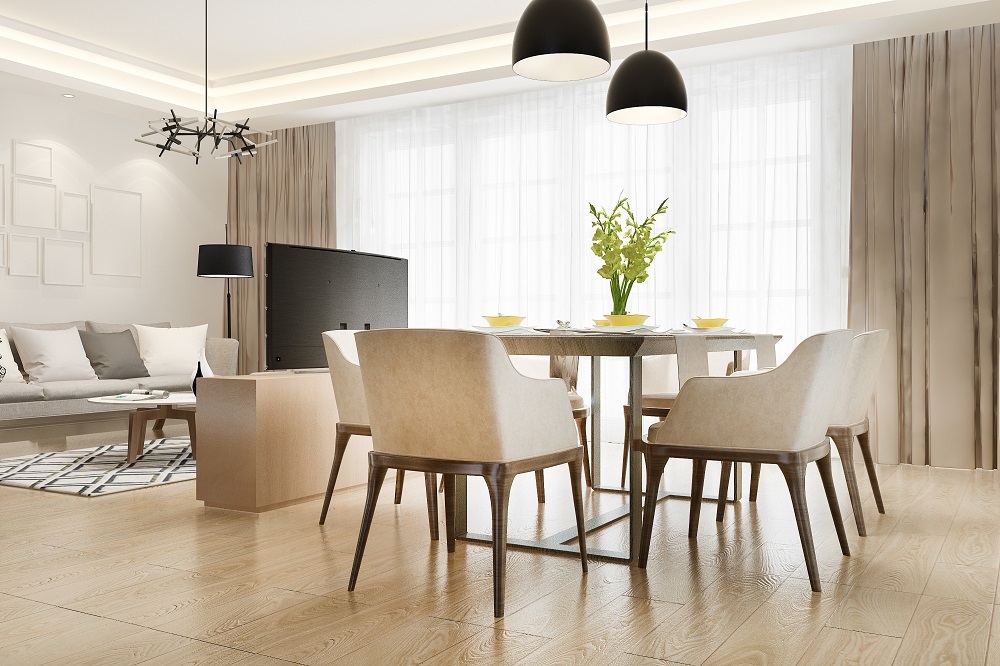

The dining room serves as a central gathering hub in the modern home. It is a multifunctional space where family members share daily meals, host holiday celebrations, work remotely, and engage in meaningful conversations. Because dining furniture represents a substantial financial investment and sets the visual tone for the entire room, choosing the right pieces requires careful planning.
Selecting the ideal furniture goes far beyond choosing an appealing design in a showroom. It requires balancing spatial dimensions, anatomical ergonomics, durable materials, and personal lifestyle needs. A poorly proportioned table or uncomfortable seating can quickly turn an inviting dining area into an awkward, cramped space. By following structured design principles and assessing your functional requirements, you can create a dining room that is aesthetically pleasing, comfortable, and built to last.
Assessing Room Dimensions and Spatial Clearance
Before exploring wood finishes or upholstery fabrics, you must determine the precise spatial limitations of your dining room. The most common mistake homeowners make is buying furniture that is too large for the room, which restricts movement and makes the area feel overcrowded.
To ensure comfortable movement and effortless entertaining, apply standard architectural clearance guidelines:
-
Perimeter Clearance: Maintain at least thirty-six inches of open floor space between the outer edge of your dining table and the nearest wall or piece of accent furniture. This provides adequate room for diners to push their chairs back and stand up without bumping into obstacles.
-
Service and Flow Pathways: If the dining space serves as a primary walkway between adjacent rooms, increase the clearance buffer to forty-two or forty-eight inches. This allows people to walk behind seated guests comfortably.
-
Overhead Lighting Alignment: Center your dining table directly beneath your ceiling junction box or chandelier. The bottom rim of a suspended pendant or chandelier should hang thirty to thirty-six inches above the tabletop surface to provide focused illumination without blocking sightlines.
-
Area Rug Scaling: If you plan to frame the table with an area rug, ensure the rug extends at least twenty-four inches beyond all sides of the table perimeter. This extra width prevents chair legs from catching on the rug edges when guests pull out their seats.
Accurately measuring your room and sketching a scale floor plan prevents costly ordering mistakes and ensures comfortable traffic flow.
Choosing the Right Dining Table Shape and Extension Capability
The shape of your dining table should complement the architectural proportions of the room while serving your typical seating requirements. Different shapes offer unique spatial and social advantages:
-
Rectangular Tables: The standard choice for long, narrow dining rooms. Rectangular tables accommodate large gatherings comfortably and provide ample center space for shared serving platters and decorative centerpieces.
-
Round Tables: Ideal for square rooms, open-plan living areas, and compact breakfast nooks. Round tables foster inclusive conversation because every diner faces the center, and the absence of sharp corners improves traffic flow in tight spaces.
-
Square Tables: Best suited for square dining rooms where balance and symmetry are desired. A square table creates an intimate dining experience for four to eight people, though large square tables can make reaching food in the center challenging.
-
Oval Tables: Oval designs combine the seating capacity of rectangular tables with the fluid traffic benefits of curved edges. They soften the visual lines of rigid, boxy rooms while comfortably fitting into narrower dining layouts.
-
Extendable Drop-Leaf or Butterfly Tables: An excellent choice for homes that host gatherings occasionally but require space efficiency for day-to-day living. Internal self-storing leaves allow you to expand seating capacity quickly without requiring permanent floor space.
Carefully consider how you live most of the year rather than buying solely for occasional holiday events.
Evaluating Materials for Durability and Aesthetics
A dining table undergoes significant physical wear from hot plates, spilled liquids, sharp utensils, and daily use. Selecting a resilient material ensures your investment retains its structural integrity and beauty over time.
Consider the functional properties of common tabletop materials:
-
Solid Hardwoods: Species such as American white oak, walnut, maple, and cherry offer unmatched durability and structural longevity. Solid wood can be sanded down, repaired, and refinished across decades of use, though it requires stable indoor humidity levels to prevent warping.
-
Engineered Wood with High-Grade Veneers: High-density fiberboard or multi-ply cores wrapped in genuine hardwood veneers resist seasonal swelling and contracting better than solid planks. Quality veneers provide the rich visual texture of wood at a more accessible price point.
-
Tempered Glass: Glass tabletops reflect ambient light, creating an open, airy visual footprint that makes small or dim dining rooms feel larger. However, glass requires frequent cleaning to remove fingerprints and is susceptible to surface scratches from unpadded ceramics.
-
Sintered Stone and Quartz: Modern engineered stone surfaces are virtually impervious to knife scratches, thermal shock, and liquid stains. They provide a sleek, contemporary appearance that demands almost zero maintenance.
-
Solid Marble and Granite: Natural stone surfaces offer unique, organic veining and timeless appeal. However, porous stones like marble require periodic chemical sealing to prevent etching and permanent discoloration from acidic foods like lemon juice, tomato sauce, and red wine.
Match your material choice to your household dynamic, especially if you have young children or pets who frequently use the space.
Selecting Comfortable and Proportional Dining Chairs
Dining chairs must provide proper ergonomic support during extended dinner parties while fitting comfortably beneath the table apron. Comfort depends on specific dimensional relationships between the seating surfaces and the table.
Keep these key seating guidelines in mind when evaluating chairs:
-
Vertical Height Differential: The standard dining table surface sits between twenty-eight and thirty inches high. Choose chairs with a seat height of eighteen to twenty inches to ensure eight to twelve inches of vertical legroom between the seat and the table apron.
-
Horizontal Shoulder Width: Allocate twenty-four inches of table perimeter width per seated guest for standard dining chairs, and twenty-six to twenty-eight inches for armchairs. This spacing prevents diners from bumping elbows during meals.
-
Armchair Clearance: If you prefer armchairs around the entire table or at the head positions, verify that the chair arms slide completely under the table apron when pushed in. Chairs that do not tuck away take up valuable floor clearance.
-
Upholstery Choices: Performance fabrics treated with stain-resistant coatings, genuine top-grain leather, and tightly woven synthetic microfibers provide plush comfort while resisting food and beverage spills. For families with active young children, wipe-clean wooden or molded plastic chairs offer the greatest convenience.
Do not hesitate to mix and match chair designs with your table. Pairing a rustic wooden table with sleek metal or upholstered chairs adds visual depth and prevents the room from feeling like a rigid showroom catalog.
Incorporating Functional Accent Storage and Display Furniture
A cohesive dining room often requires supplemental storage furniture to manage dining accessories, glassware, serving dishes, and linens. Storage pieces should complement the primary table while fitting within the overall room layout.
Popular supplemental dining storage options include:
-
Sideboards and Credenzas: Low-profile credenzas offer flat serving surfaces for buffet-style entertaining while concealing seasonal tableware, flatware organizers, and extra table linens behind closed cabinet doors.
-
Open Buffets and Consoles: Ideal for smaller spaces where heavy cabinetry might overwhelm the room visually. Open shelving provides quick access to frequently used dinnerware while displaying curated decorative accents.
-
Tall China Cabinets and Curio Hutches: Vertical cabinets maximize storage capacity in rooms with limited horizontal floor area. Glass-front doors protect fine crystal and heirloom porcelain from airborne dust while providing attractive ambient display lighting.
-
Mobile Bar Carts: A compact, flexible solution for keeping beverages, glassware, and cocktail preparation tools organized without taking up dedicated wall space.
Select storage pieces that share a subtle design element with your dining table, such as matching metal hardware, wood undertones, or leg profiles, to create a harmonious interior aesthetic.
Frequently Asked Questions
How do I choose the correct base design between a four-legged table and a central pedestal?
Four-legged tables provide exceptional structural stability, but the corner legs can restrict chair placement and limit legroom at the corners. Central pedestal and trestle bases eliminate corner obstructions, allowing you to slide chairs in freely and fit extra guests around the perimeter without anyone straddling a table leg. However, pedestal tables must feature a heavy, well-engineered base to prevent wobbling when someone leans on the outer edge.
Can I mix different wood finishes and metal tones in the same dining room?
Yes, mixing finishes creates a curated, designer-quality look when done intentionally. To maintain visual balance, identify a dominant wood or metal finish for your largest piece, such as the dining table, and introduce secondary complementary finishes through chair legs, lighting fixtures, or sideboard hardware. Keep the underlying temperature consistent by pairing warm woods with warm brass or bronze, or pairing cool ash tones with matte black or chrome accents.
How do dining benches compare to standard chairs for family seating?
Dining benches are practical for maximizing seating capacity for children and informal meals because you can fit more people along the bench than with individual chairs. They also tuck completely under the table when not in use, creating clean sightlines in compact or open-concept spaces. However, benches lack individual back support, making them less comfortable for long dinner parties, and they require diners in the middle to coordinate with neighbors when getting up.
What is the best way to protect a solid wood dining tabletop from daily heat and moisture?
Use heat-resistant trivets or hot pads beneath serving dishes directly from the oven or stove, as high temperatures can scorch wood or turn clear finishes cloudy. Place felt-backed placemats and coasters under plates and drinking glasses to prevent moisture rings and utensil scratches. For daily maintenance, wipe the surface with a barely damp microfiber cloth and avoid harsh silicone-based furniture sprays that leave sticky residues.
How do I determine the right rug material for a high-traffic dining area?
Choose low-pile, flat-woven rugs made from resilient fibers like wool, polypropylene, or treated polyester. Flat-woven rugs allow chair legs to slide across the surface smoothly without catching on deep pile, and they do not trap food crumbs. Avoid high-pile shag rugs and delicate materials like viscose or silk, which are difficult to clean and crush permanently under heavy furniture legs.
Is it practical to use fully upholstered dining chairs in a home with young children?
Fully upholstered chairs can be practical if you select modern performance fabrics engineered to repel liquids, resist stains, and endure abrasive cleaning. Look for textiles treated with fluoropolymer finishes or woven from solution-dyed acrylics. Alternatively, consider chairs with removable, machine-washable slipcovers, or opt for smooth top-grain leather, which can be wiped clean with a damp cloth after meals.
How can I make an open-concept dining area feel like its own distinct room?
Define the dining zone by anchoring the table on a large area rug that visually frames the space. Install a dedicated statement chandelier centered over the table to establish a strong focal point. You can also delineate the dining perimeter using low-profile furniture like a console table or an open-shelf room divider, or by painting an accent wall in a complementary, deeper shade to give the dining zone a distinct architectural presence.