
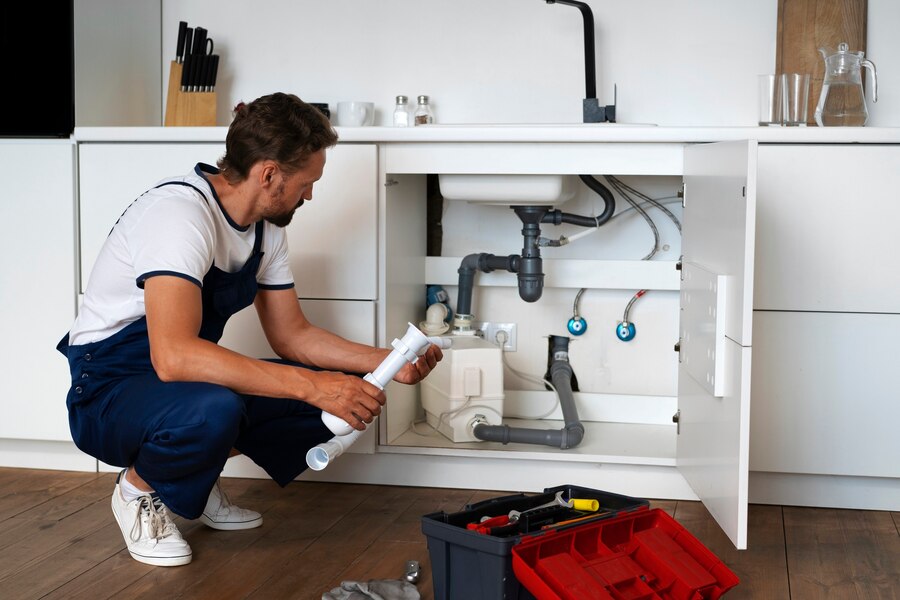

The plumbing infrastructure in a residential home is often out of sight and out of mind until an unexpected leak, backed-up drain, or ruptured supply line causes costly water damage. Residential plumbing systems operate under continuous fluid pressure and handle gallons of wastewater daily, making proactive maintenance and resource efficiency essential for preserving structural integrity and keeping utility costs manageable.
A well-maintained plumbing network does far more than prevent catastrophic emergencies. It delivers consistent water pressure, safeguards household drinking water from hazardous contaminants, and reduces energy consumption tied to domestic water heating. Implementing practical, licensed-plumber-approved practices allows homeowners to avoid expensive emergency service calls, improve water efficiency, and significantly extend the lifespan of fixtures, pipes, and primary appliances.
Understanding and Managing Household Water Pressure
Water pressure plays a critical role in the overall health of residential plumbing. While strong water pressure provides satisfying showers and rapid sink filling, excessive water pressure places continuous mechanical strain on pipe joints, appliance inlet valves, and fixture seals.
Municipal supply lines often push water to homes at pressures exceeding eighty pounds per square inch to ensure adequate flow across hilly terrain or during peak firefighting operations. However, high-pressure surges can quietly damage water heaters, washing machine supply hoses, and internal toilet valves.
Key steps for managing home water pressure include:
-
Install a Dedicated Pressure Gauge: Purchase an inexpensive water pressure test gauge with hose bib threads and attach it to an exterior hose faucet or washing machine connection to measure static water pressure.
-
Maintain Ideal Pressure Ranges: Keep household water pressure balanced between forty-five and sixty-five pounds per square inch. Anything consistently exceeding seventy pounds per square inch requires mechanical regulation.
-
Inspect the Pressure Reducing Valve: Most modern homes have a bell-shaped brass regulator located near the main water shutoff valve. If pressure readings exceed recommended thresholds or fluctuate wildly, this valve may need adjustment or internal diaphragm replacement.
-
Install Thermal Expansion Tanks: When water heats up inside a closed plumbing loop, it expands physically. An expansion tank installed adjacent to the water heater absorbs this pressure spike, preventing premature tank failure and pipe stress.
Regulating dynamic water pressure prevents pinhole leaks, quiets pipe vibration, and protects modern appliances from burst inlet connections.
Protecting Drains and the Wastewater System
Drains and waste stacks rely on gravity and precise venting to transport greywater and solid waste into the municipal sewer or septic system. Introducing improper materials into household drains causes progressive build-up, pipe corrosion, and severe blockages deep within the underground sewer lateral.
Maintaining clear, free-flowing drain lines requires consistent waste discipline:
-
Avoid Pouring Fats, Oils, and Grease Down Kitchen Drains: Warm cooking grease flows smoothly into the sink but cools rapidly inside metal and plastic pipes, solidifying into hard blockages that trap food waste. Collect grease in a designated container and discard it in the trash.
-
Avoid Chemical Liquid Drain Openers: Caustic, acid-based chemical unclogging products generate intense exothermic reactions inside pipes. These chemicals can melt PVC joints, corrode cast iron lines, and splash back dangerously onto skin during mechanical clearing.
-
Install Mechanical Hair Catchers: Place removable silicone or stainless-steel mesh strainers over shower and bathtub drains. Catching hair and soap residue at the surface eliminates the primary cause of bathroom clogs.
-
Treat Garbage Disposals as Food Scraps Catchers, Not Trash Cans: Never feed stringy celery stalks, potato peels, coffee grounds, eggshells, or dry pasta into garbage disposals. These items create thick pastes that seize disposal impellers and obstruct branch drain pipes.
-
Flush Only Human Waste and Toilet Paper: Even products marketed as flushable wipes do not disintegrate like toilet paper. They snag on internal pipe burrs, join with residual fats, and create massive sewer obstructions.
Using mechanical drain snakes or biological enzyme cleaners safely maintains drain lines without eroding pipe walls.
Optimizing Water Heater Performance and Energy Efficiency
Water heating accounts for roughly eighteen percent of total residential energy consumption. Over time, naturally occurring calcium and magnesium minerals precipitate out of heated water, settling at the bottom of traditional storage tanks as dense sediment.
This calcified layer creates an insulating barrier between the heating burner or element and the water, forcing the water heater to run longer, drive up energy bills, and overheat the metal tank floor.
Effective maintenance routines for water heating units include:
-
Perform an Annual Tank Flush: Connect a standard garden hose to the tank drain valve at the base of the heater and flush out accumulated sediment into a floor drain or outdoor area until the discharged water runs clear.
-
Inspect and Replace the Sacrificial Anode Rod: The magnesium or aluminum anode rod inside storage water heaters intentionally attracts corrosive elements to sacrifice itself, protecting the steel tank lining from rusting. Check this rod every two to three years and replace it when more than half of the core wire is exposed.
-
Test the Temperature and Pressure Relief Valve: Lift the test lever on the safety relief valve located on top or on the side of the tank once a year to ensure it discharges water freely and seats back completely without dripping.
-
Lower the Temperature Setting to One Hundred Twenty Degrees Fahrenheit: Factory settings often sit at one hundred forty degrees Fahrenheit, which increases scalding hazards and accelerates mineral calcification. Dropping the thermostat to one hundred twenty degrees Fahrenheit saves significant energy while providing plenty of hot water for household needs.
Regular maintenance helps water heaters run efficiently, prevents sudden cold showers, and averts catastrophic internal tank ruptures.
Preventative Leak Detection and Pipe Insulation
Undetected water leaks can cause structural wood rot, encourage toxic mold growth, and waste thousands of gallons of clean water annually. A proactive approach to leak detection prevents hidden moisture from causing extensive property damage.
Essential leak prevention and insulation habits include:
-
Monitor the Main Water Meter for Silent Leaks: Shut off all indoor fixtures, faucets, and water-using appliances, then observe the low-flow indicator dial on your outdoor water meter. If the dial moves while all water outlets are closed, a hidden underground or in-wall leak is present.
-
Upgrade to Braided Stainless Steel Supply Lines: Replace aging plastic, rubber, or bare copper flexible tubes on washing machines, dishwashers, ice makers, and toilets with burst-proof braided stainless-steel lines.
-
Insulate Exposed Pipes in Unconditioned Spaces: Wrap exposed copper and cross-linked polyethylene pipes in basements, crawlspaces, attics, and exterior walls with closed-cell foam insulation sleeves to prevent freezing ruptures in winter and reduce standby heat loss in hot lines.
-
Deploy Smart Water Sensor Devices: Position compact, battery-powered moisture sensors near floor drains, beneath kitchen sinks, behind washing machines, and under water heaters to receive instant smartphone alerts if water breaches containment.
Catching minor leaks early keeps repair costs small and protects interior drywall, framing lumber, and subflooring from moisture rot.
Upgrading Fixtures for Long-Term Water Conservation
Upgrading outdated, high-flow fixtures to modern high-efficiency plumbing components significantly reduces total water usage without sacrificing functional performance.
Key high-efficiency fixture upgrades include:
-
Install High-Efficiency Toilets: Replace older toilets that consume three to five gallons per flush with modern high-efficiency models rated at one point two eight gallons per flush or less, which use optimized bowl geometries and glazed trapways to deliver reliable waste clearance.
-
Add Low-Flow Faucet Aerators: Screw WaterSense-certified aerators onto bathroom and kitchen faucets to mix air into the stream, maintaining steady rinsing pressure while reducing water consumption down to one point five gallons per minute.
-
Switch to Optimized Showerheads: Modern high-efficiency showerheads incorporate pressure-compensating flow chambers to produce invigorating water sprays while consuming no more than one point seven five to two point zero gallons per minute.
-
Consider Point-of-Use Recirculation Pumps: Installing an on-demand hot water recirculation loop ensures immediate hot water delivery at distant bathroom faucets, saving gallons of clean water that would otherwise be wasted down the drain while waiting for lines to warm up.
These water-saving upgrades lower monthly utility bills and reduce demand on local municipal water processing systems.
Frequently Asked Questions
How can a homeowner accurately locate their primary main water shutoff valve during an emergency?
The main water shutoff valve is typically located along the interior perimeter wall where the main water line enters the home, frequently in a basement, crawlspace, utility room near the water heater, or inside an outdoor ground meter box near the street curb. Look for a brass gate wheel valve or a modern quarter-turn ball valve with a straight handle. Test this valve periodically to ensure it turns smoothly without binding.
What causes the loud banging noise in wall pipes known as water hammer?
Water hammer occurs when a fast-closing valve, such as those found inside modern washing machines, dishwashers, or quarter-turn faucets, abruptly stops high-speed water flow. The kinetic energy creates a hydraulic shockwave that travels backward through the pipe network, causing unsecured pipes to shake violently against wall studs. Installing small, air-cushioned water hammer arrestors directly onto the supply lines absorbs this shock and silences the noise.
How does hard water damage residential plumbing systems over time?
Hard water contains elevated concentrations of dissolved calcium and magnesium ions. When water is heated or sits stagnant inside pipes, these minerals crystallize into hard limescale deposits that narrow pipe diameters, restrict flow volume, clog aerators, and coat water heating elements. Over time, severe scaling causes premature fixture failure and diminishes appliance efficiency, which can be corrected by installing an ion-exchange water softener.
Why should older rubber washing machine hoses be replaced every few years?
Flexible rubber washing machine hoses remain under continuous, unmoderated water pressure even when the machine is not running. Over time, internal rubber compounds degrade, dry out, and develop weak spots that can burst without warning, discharging hundreds of gallons of pressurized water into living areas. Replacing rubber lines every three to five years with reinforced braided stainless-steel hoses virtually eliminates burst risks.
What is the practical difference between standard copper piping and cross-linked polyethylene tubing in home renovations?
Rigid copper piping offers exceptional longevity, natural antimicrobial properties, and high ultraviolet resistance, but it is expensive, labor-intensive to solder, and vulnerable to pinhole corrosion in acidic water environments. Cross-linked polyethylene, commonly known as PEX, is flexible, cost-effective, resists scale build-up, and tolerates slight freezing expansion better than copper, though it cannot be installed in areas exposed to direct sunlight.
How do sewer gas odors escape into bathroom spaces, and how can they be fixed?
Sewer gas odors enter living areas when the water seal inside a plumbing trap, known as a P-trap, dries out from infrequent fixture use or gets siphoned away by a clogged roof vent stack. When the curved trap loses its standing water barrier, sewer gases rise through the drain opening. Pouring a few cups of clean water down rarely used floor drains, guest bathroom sinks, or tubs restores the liquid seal and blocks odors immediately.
Can tree roots penetrate intact underground sewer lines on residential properties?
Yes, underground sewer pipes carry warmth, moisture, and nutrients that attract invasive tree roots. Roots enter through microscopic fractures, aged clay pipe joints, or loose rubber couplings. Once inside, root systems expand rapidly, catching toilet paper and solids until the line backs up into the home. Annual mechanical root cutting or hydro-jetting maintains clear sewer lines until broken pipes can be permanently lined or excavated.