
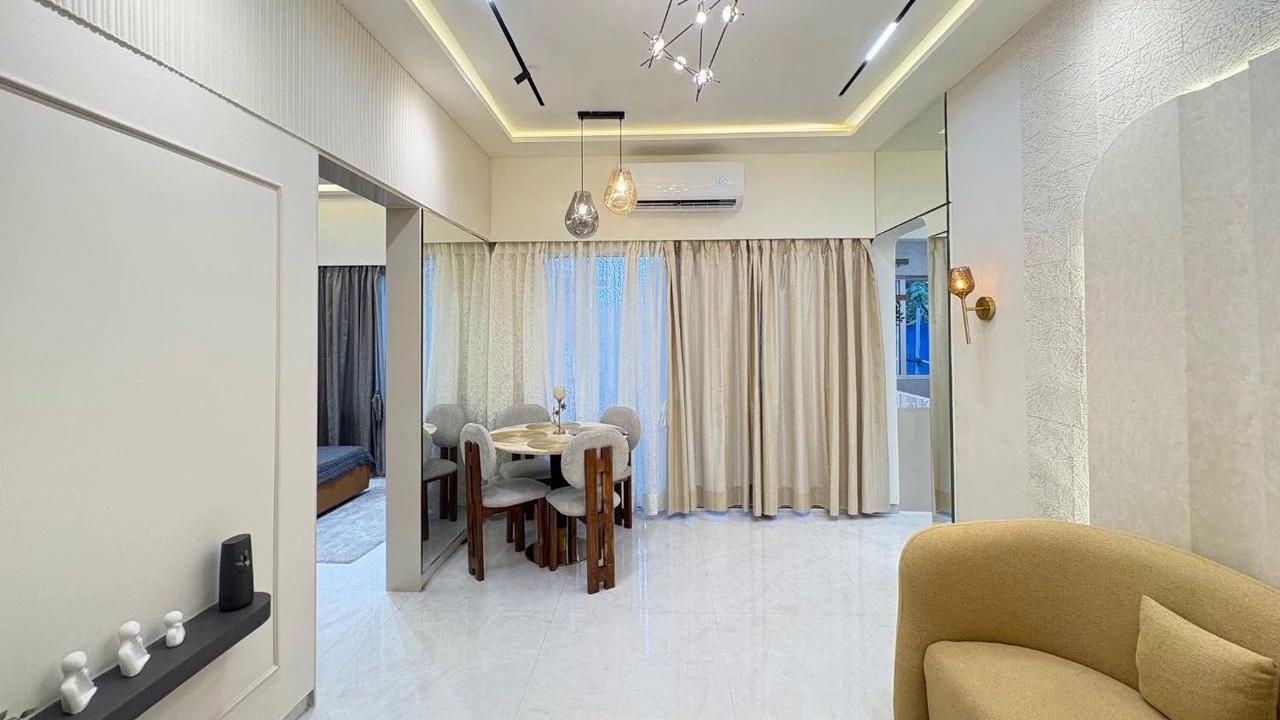

Buying a home is a major financial decision, and checking the quality of construction is an important step before making a commitment. A property may look attractive in photographs and brochures, but a physical site visit helps you understand the actual condition of the building, the materials used, and the overall construction standards. Taking time to inspect these details can help you choose a home that offers comfort, safety, and long-term value.
If you plan to buy flat in dombivli, visiting the residential project in person can help you evaluate its construction quality before making your final decision. Whether you are purchasing a home for your family or considering a long-term investment, it is important to look beyond the apartment’s appearance. Check the building structure, finishing, plumbing, electrical fittings, ventilation, and common areas to understand whether the property meets your expectations.
1. Examine the Walls and Surface Finishing
Start your site visit by checking the walls, ceilings, and corners of the apartment. The surfaces should generally appear even, with consistent plastering and neat paintwork. Look for visible cracks, uneven patches, damp spots, or peeling paint.
Small surface imperfections may occur during construction, but large cracks or signs of moisture should not be ignored. Pay particular attention to corners, areas around windows, and ceilings near bathrooms or kitchens. Water stains and damp patches may indicate leakage or waterproofing problems.
If you notice significant defects, ask the site representative for an explanation. For an important purchase, consider getting the property inspected by a qualified civil engineer.
2. Check the Quality of Flooring and Tiles
Flooring contributes to the appearance, comfort, and durability of a home. Walk across different parts of the apartment and check whether the floor feels even. Look for loose tiles, visible cracks, uneven joints, or damaged edges.
You can also inspect the tile finishing near doorways, kitchen platforms, and bathroom entrances. These areas should have neat edges and proper alignment. Check whether skirting tiles are securely fitted and whether the floor slopes appropriately towards bathroom drains.
Good flooring should not only look attractive but also be practical for everyday use. Ask about the type of flooring material used and the recommended maintenance requirements.
3. Inspect Doors, Windows, and Fittings
Open and close every accessible door and window during your visit. They should operate smoothly without excessive force, scraping, or unusual movement. Check the locks, handles, hinges, and window frames for proper fitting.
Look for gaps around door frames and windows, as poor installation can affect privacy, noise control, and weather protection. If the apartment has sliding windows, check whether they move smoothly and close securely.
Also examine the quality of the main entrance door and the fittings provided in bathrooms and other areas. These details may seem small, but they influence daily convenience and long-term maintenance costs.
4. Evaluate Plumbing and Bathroom Quality
Plumbing problems can lead to expensive repairs after possession. During the site visit, ask whether water supply and drainage systems can be tested. If access is permitted, operate the taps and check the water flow.
Observe whether the washbasins, toilets, and shower fittings are securely installed. Check the visible joints around sinks and bathroom fixtures for signs of leakage. The bathroom floor should direct water towards the drain rather than allowing it to collect in corners.
Ask about the waterproofing work carried out in bathrooms and other wet areas. If the apartment is still under construction, request information about the materials and quality checks used for the plumbing system.
5. Review Electrical Work and Ventilation
Electrical safety is essential in every home. Check the placement of switches, sockets, lighting points, and other electrical provisions against the apartment layout. Switchboards should be fitted properly, with no exposed wiring or visibly damaged components.
Do not open electrical panels or handle exposed wires yourself. Ask a qualified professional to assess any concerns.
Ventilation is equally important. Observe the amount of natural light entering the rooms and check whether windows allow adequate airflow. Kitchens and bathrooms should have suitable ventilation arrangements. A well-ventilated apartment can make everyday living more comfortable and help manage moisture.
6. Inspect Common Areas and Building Facilities
Construction quality extends beyond the apartment itself. Examine the entrance lobby, staircases, corridors, lifts, parking areas, and other accessible common spaces.
Look for neat finishing, secure railings, properly fitted doors, and clear access routes. Check whether drainage areas appear well maintained and whether water accumulates in accessible outdoor spaces.
Ask about fire safety systems, emergency exits, power backup, water supply, and lift maintenance arrangements. If amenities are advertised, confirm which facilities are included and when they are expected to be available.
7. Ask Questions and Review Important Documents
A site visit is an opportunity to clarify details about the project. Ask about construction materials, quality inspections, the expected possession date, and the process for reporting defects.
Review the applicable project registration details, approved plans, and agreement for sale. Confirm that the apartment’s carpet area, specifications, and promised facilities match the written documents.
For a more reliable assessment, arrange an independent inspection by a qualified professional, particularly before taking possession of a completed apartment.
Conclusion
A careful site visit can help you identify potential construction issues and understand the overall quality of a residential project. Before you buy flat in dombivli, inspect the walls, flooring, doors, plumbing, electrical provisions, ventilation, and common areas. Ask clear questions, verify important documents, and seek professional advice whenever necessary. By combining a physical inspection with proper legal and financial checks, you can make a more confident homebuying decision and choose a property suited to your family’s comfort and long-term needs.