

A new roof changes much more than the surface visible from the street. It involves decisions about materials, roof details, ventilation, drainage, project timing, and how the work will interact with the rest of the home’s exterior. Whether the project is connected to an aging roofing system or a larger renovation, thoughtful planning before roof installation begins can help homeowners understand the scope of work and make choices that fit their property.
Homeowners researching roof installation, RI services can begin by looking at the entire home rather than choosing roofing materials in isolation. The shape and pitch of the roof, existing exterior finishes, gutters, chimneys, vents, and future renovation plans can all influence the project. Discussing these details early provides a stronger foundation for decisions about both appearance and function.
Start With the Shape of the Roof
Every roof has its own layout.
Some homes have relatively straightforward rooflines, while others include dormers, valleys, multiple slopes, additions, or sections positioned at different heights. These characteristics affect the amount of roofing material required and the complexity of installation.
Homeowners may rarely think about these details because they have become familiar parts of the house.
Before installation, however, understanding the roof’s configuration can help explain why certain areas require additional attention. It can also make project estimates and installation timelines easier to understand.
Choose Materials With the Whole Exterior in Mind
Roofing occupies a substantial amount of visual space, so material selection can influence the character of the entire property.
Homeowners often begin with color, but texture and profile are also worth considering. A roofing choice should complement siding, trim, masonry, windows, doors, and other permanent exterior elements.
Samples are particularly useful when viewed outdoors.
Natural daylight can make colors appear different from how they look indoors or on a computer screen. Homeowners can compare options at different times of day and from several areas around the property.
A coordinated roof should feel connected to the architecture rather than selected independently from it.
Existing Materials May Need to Be Removed
Depending on the project, existing roofing materials may need to be removed before the new system is installed.
This stage provides access to areas that homeowners normally cannot see.
Once the surface materials are removed, previously concealed conditions may become visible. If deterioration or other concerns are discovered, they may need to be addressed before roof installation continues.
Homeowners should ask how these situations are handled before work begins. Understanding how additional work is documented and approved can help avoid uncertainty if unexpected conditions are discovered.
Roof Penetrations Require Special Attention
A roof is rarely one continuous, uninterrupted surface.
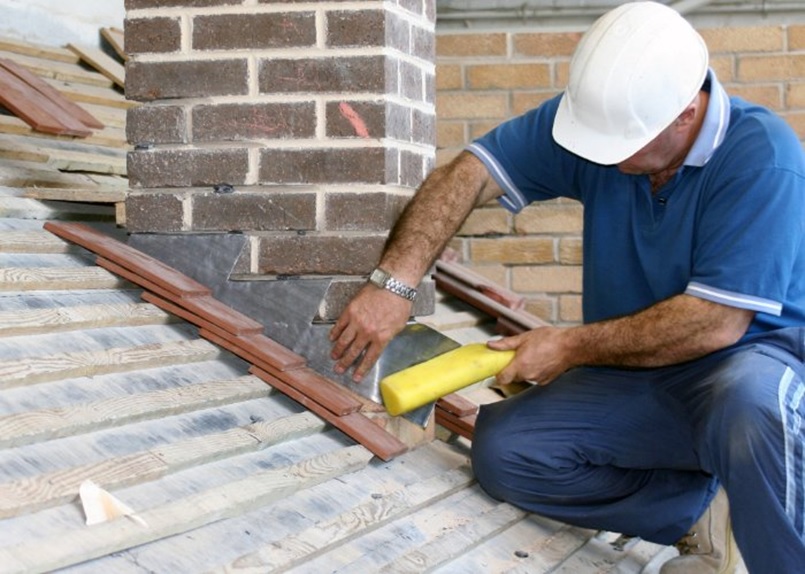
Chimneys, plumbing vents, exhaust vents, skylights, and other components create openings or transitions within the roofing system. These areas require careful integration with surrounding materials.
Flashing and related components are commonly used to help manage water around these locations.
Before installation, homeowners can identify any existing concerns involving chimneys, skylights, or vents and share that history with the contractor.
Previous leak locations or repairs can provide useful context when the new roofing system is being planned.
Ventilation Should Be Part of the Conversation
Roof and attic ventilation can be easy to overlook because much of the system is not prominently visible.
However, ventilation should be considered as part of the overall roofing design rather than treated as a decorative add-on.
The appropriate configuration depends on the structure and other characteristics of the home. Homeowners should avoid assuming that simply adding more vents is automatically better.
During planning for roof installation, contractors can evaluate existing conditions and discuss whether changes to the ventilation configuration should be considered as part of the project.
Gutters Complete the Water’s Path
Rainwater does not stop being a concern when it reaches the edge of the roof.
Gutters and downspouts help move water away from roof edges and toward appropriate discharge areas. Their placement and condition should therefore be considered when installing a new roof.
Homeowners can ask whether existing gutters will remain in place during the project or whether adjustments may be required.
If gutter replacement is already planned, coordinating the two projects may also be worth discussing.
Thinking about the entire drainage path helps homeowners view the roof as part of a larger exterior system.
Material Delivery Requires Space
A roofing project involves significant movement around the property before installation even begins.
New materials need to arrive and be stored or staged appropriately. Removed roofing materials may also need to be collected and transported away from the home.
Homeowners should ask where materials and equipment will be placed.
Driveways, walkways, garages, and other access areas may need to remain clear during portions of the project. Moving vehicles ahead of time can help avoid unnecessary disruptions once work starts.
Understanding these logistics is especially helpful for households that need regular driveway or garage access.
Outdoor Areas May Need Temporary Changes
Patio furniture, grills, children’s toys, planters, decorations, and other outdoor belongings can occupy areas contractors need to access.
Before a roof installation, RI project begins, homeowners can relocate portable items away from the immediate work zone.
Landscaping should also be discussed.
Mature shrubs and flower beds may sit close to the house, particularly around older properties. Identifying delicate or important areas beforehand allows homeowners to communicate concerns before roofing activity begins.
A little preparation can make movement around the property easier during the project.
Expect Some Activity Inside the House Too
Most roofing work happens outside, but homeowners may still notice the project indoors.
Roofing activity can create vibration and noise. Fragile decorations, pictures, or objects displayed on shelves may benefit from being secured or temporarily moved.
Households working from home may also want to plan around periods of increased noise.
Pets can react differently to unfamiliar sounds and activity outside, so creating a comfortable area away from the work may help reduce disruption.
Thinking about these practical details beforehand can make installation days easier for the household.
Coordinate Other Exterior Improvements
A new roof may be one project within a larger exterior update.
Homeowners could also be considering siding, windows, gutters, solar panels, chimney work, or exterior painting. Even if these improvements will happen at different times, discussing them before roof installation can help determine a practical sequence.
Design coordination matters as well.
The new roof should ideally work with improvements that are already planned. Choosing roofing colors and details with future siding or trim changes in mind can reduce the likelihood of conflicting exterior finishes later.
Review the Finished Work and Documentation
When installation is complete, homeowners should understand what happens next.
A final walkthrough or project review can provide an opportunity to ask questions about completed work, maintenance expectations, and anything that should be monitored.
Warranty and product documentation should be stored somewhere accessible.
Homeowners may also want to keep photographs, invoices, and other project records together. This creates a useful history of the roof for future maintenance, home improvements, or property transactions.
Plan the Roof as Part of the Entire Home
A roof installation involves far more than choosing a material and scheduling a crew. Roof configuration, exterior design, ventilation, drainage, penetrations, property access, landscaping, and future improvements can all influence the project. Considering these factors before roof installation begins can help homeowners develop clearer expectations and make decisions that work with the property as a whole.
For homeowners planning roof installation, United Better Homes can evaluate the existing roofing system and discuss options based on the home’s design and project requirements. Careful planning from material selection through final installation can help create a roof that complements the property while fitting into the homeowner’s broader plans for the exterior.