
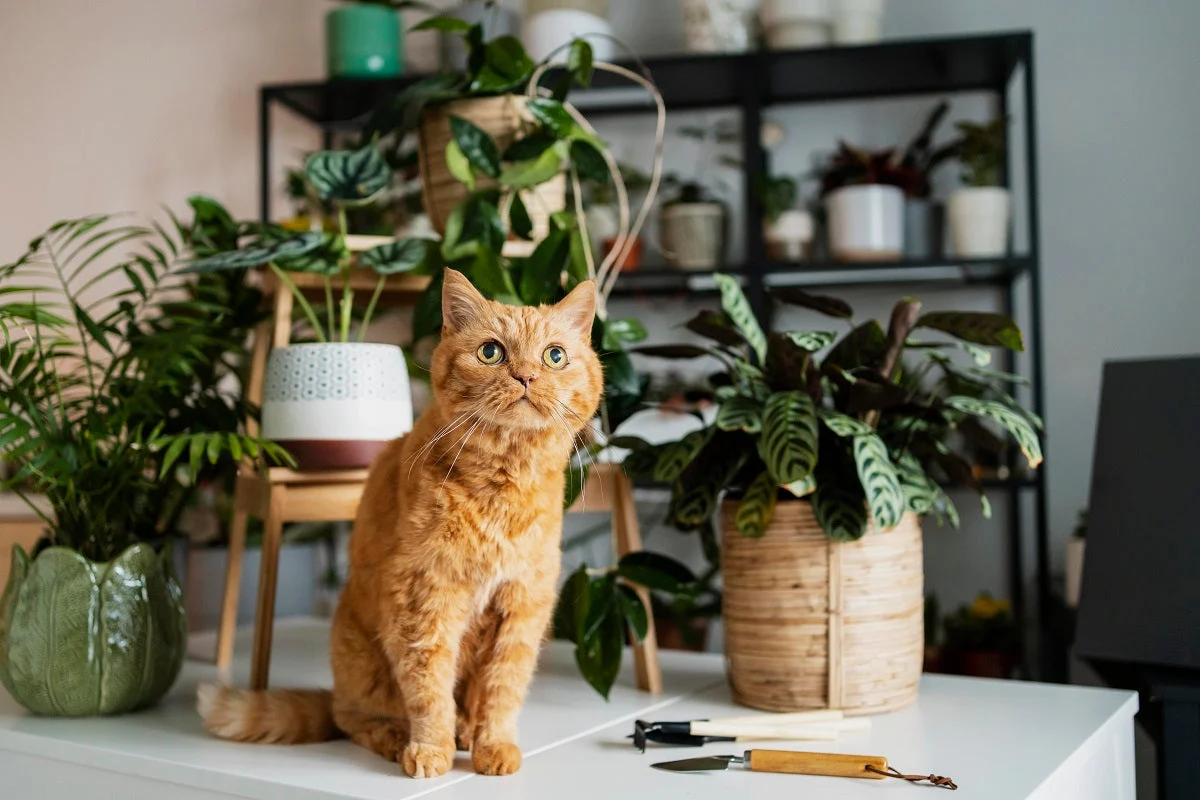

The impulse to bring living green into our homes is almost instinctive. Houseplants soften architectural hard lines, clean stale air, and introduce dynamic organic textures into rooms that might otherwise feel rigid. Yet for anyone sharing their living space with a curious cat or an exuberant dog, botanical decorating often feels like an exercise in high-stakes risk management. We have all witnessed the aftermath: shredded leaves on the rug, shattered ceramic pots across hardwood floors, or panic-fueled emergency vet consultations after an energetic puppy samples an exotic clipping.
Too often, decorating advice swings to unhelpful extremes. Pet owners are either told to banish living greenery altogether in favor of artificial silk replicas, or to lock their animals out of entire rooms. Neither compromise is necessary. Creating a lush, plant-filled interior that coexists peacefully with four-legged companions is entirely achievable. It simply requires shifting from impulsive nursery purchases to an intentional design strategy that balances botanical safety, structural stability, and animal behavior.
The Non-Negotiable Starting Point: Curating a Pet-Safe Palette
The foundation of pet-conscious interior styling begins long before choosing a ceramic glaze or finding the best window exposure. It begins with plant biology.
The design world loves dramatic silhouettes: the perforated cutouts of Monstera deliciosa, the towering presence of fiddle-leaf figs, and the cascading vines of golden pothos. Unfortunately, many of these design staples contain insoluble calcium oxalate crystals or other toxic compounds that cause severe oral swelling, vomiting, and tissue irritation when chewed. For cat owners, true lilies like Easter and Asiatic varieties represent a catastrophic hazard where even grooming a few grains of stray pollen from a paw can trigger acute kidney failure.
Replacing hazardous favorites with pet-safe alternatives does not mean settling for boring greenery. A sophisticated interior palette can be built using species that carry zero chemical toxicity to dogs and cats:
- Canopy and architectural height: Swap out ficus trees or fiddle-leaf figs for a graceful Parlor Palm, Areca Palm, or Kentia Palm. They cast feathered shadows and introduce tropical scale to empty corners without toxic sap.
- Foliage pattern and color: Instead of caladiums or dieffenbachia, turn to the prayer plant family, including Calatheas, Marantas, and Stromanthes. Their geometric leaf patterns, deep burgundy undersides, and daily movement offer remarkable decorative interest while remaining completely harmless.
- Cascading green: Replace toxic pothos and English ivy with Peperomia prostrata (String of Turtles), Hoya carnosa (Wax Plant), or classic Spider Plants.
By building your entire styling foundation around non-toxic species, an accidental nibble becomes a minor cosmetic annoyance for the leaf rather than a medical emergency.
Elevating Design: The Vertical Plane
When floor space belongs to pets, vertical space belongs to styling. Raising your botanical collection off the ground accomplishes two things at once: it protects delicate foliage from grazing mouths and adds multi-tiered architectural height to your living areas.
Wall-mounted planters are among the cleanest ways to integrate greenery into modern interiors. Minimalist ceramic wall pockets, powder-coated steel modular trellises, or floating timber ledges turn living plants into three-dimensional wall art. However, if you live with cats, vertical placement requires a clear understanding of feline physics.
Cats do not simply view shelves as static storage; they calculate jumping arcs and landing clearances. A trailing hoya placed on a floating shelf four feet off the floor will remain safe only if there is no nearby sofa arm, credenza, or chair back that serves as a launching pad. Ensure that any elevated surfaces hosting plants either leave zero landing room for paws or sit well beyond an agile pet’s vertical reach.
Ceiling anchors offer an ideal, worry-free alternative. Hanging planters secured directly into ceiling joists with woven cord, brass rods, or minimal leather harnesses allow trailing plants to cascade in mid-air. Placed in front of windows or tucked into empty corners, suspended greenery draws the eye upward, accentuating ceiling height while keeping delicate vines completely out of reach.
Structural Grounding and Heavy-Base Pottery
For large statement plants that must anchor a floor plan, the choice of planter is just as critical as the plant itself. Light plastic nursery containers tucked inside flimsy wire stands are accidents waiting to happen. An excited retriever’s wagging tail or a sprinting cat can easily send a top-heavy plant crashing across the floor.
Anchor floor-standing greenery using containers with substantial physical mass and wide footprints:
- Heavy terracotta, cast concrete, or thick ceramic vessels: These materials lower the center of gravity, preventing accidental tipping during energetic indoor play.
- Substantial cylindrical silhouettes: Straight-walled planters distribute their weight evenly across the entire base rather than balancing precariously on a tapered bottom point.
- Interlocking solid wood stands: If you want elevation for better light exposure, choose low, wide-stance hardwood bases that cradle the pot firmly instead of tall, spindly metal legs.
Managing Soil and Digging Instincts
For many pets, the foliage is entirely uninteresting; it is the pot of moist, rich dirt that proves irresistible. Dogs love to investigate organic fertilizer smells, while cats may view a wide, open bed of potting mix as an enticing alternative litter box.
You can stop digging behaviors without compromising your aesthetic by dressing the soil surface. Top-dressing large planters with a dense layer of smooth, large river stones or polished black Mexican pebbles creates a polished look that mimics luxury landscape design while physically blocking paws from reaching the soil. Ensure the stones are large enough that a dog cannot accidentally swallow them. For tabletop pots, breathable wire soil covers fitted beneath a thin layer of decorative pea gravel provide subtle, invisible protection.
Curating Textures to Discourage Play
Pet-plant interactions are frequently triggered by sensory curiosity. A fine, wispy frond that sways in the air draft of an HVAC vent mimics prey, practically begging a kitten to swat at it.
If your pets are easily stimulated by movement, steer your styling toward plants with structural, rigid leaves. Species like the Cast Iron Plant (Aspidistra elatior) or thick-leafed Peperomias stand firm and silent; they do not flutter, rustle, or trail enticingly across furniture edges.
You can also use intentional decoys. If your cat relentlessly seeks out fresh greens to chew, incorporate an attractive ceramic bowl of organic wheatgrass or cat grass directly into their designated play zone. When you satisfy their instinctual urge with a sanctioned, accessible option, they are far less likely to bother your decorative ferns and palms.
Harmonizing Living Design With Animal Companions
Designing a verdant indoor space when you share your home with animals does not demand compromise or aesthetic sacrifice. It simply requires empathy toward your pets’ instincts and awareness of your home’s spatial circulation. By selecting species that pose no biological threat, securing floor containers with deliberate weight, taking full advantage of elevated wall planes, and curating textures that fail to provoke playful paws, you can build a home that is both design-forward and completely hospitable to the animals you love.