
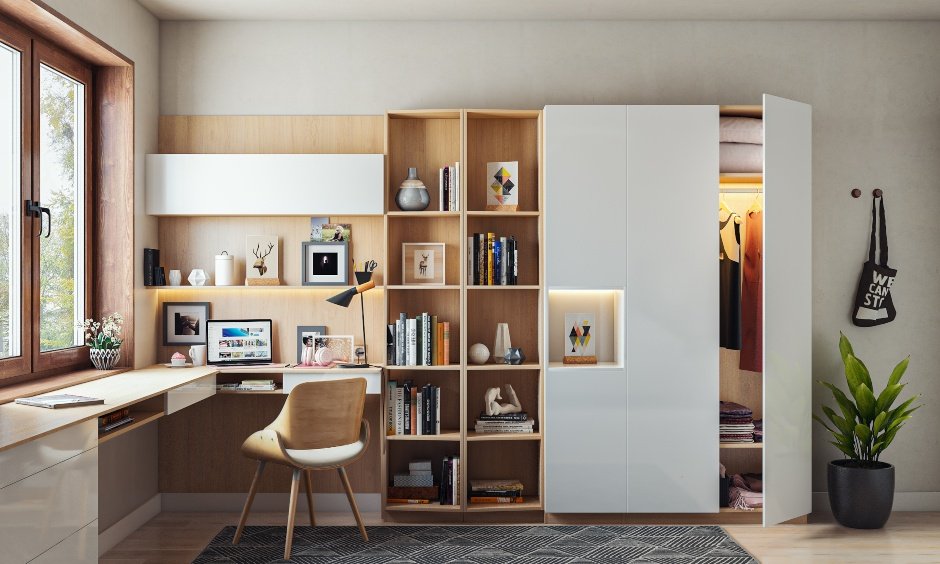

The rise of remote work and flexible schedules has permanently transformed the way we view our personal living spaces. What was once a rarely used corner desk or an improvised dining room workstation has now become a central hub of daily professional life. However, working from home often blurs the boundaries between productivity and personal rest. When a workspace feels sterile, cluttered, or chaotic, it elevates stress levels and drains mental energy.
Creating a relaxing home office is not merely an exercise in high-end styling; it is an investment in your cognitive clarity, physical comfort, and emotional well-being. A thoughtfully curated workspace can soothe the nervous system while providing the structure needed to stay focused and creative. By balancing calming aesthetics with functional design principles, you can craft a personal office environment that feels tranquil, inspiring, and restorative throughout the workday.
Establish a Calming and Cohesive Color Palette
Color psychology plays a profound role in shaping human mood, heart rate, and mental focus. Bold, hyper-saturated primary colors like bright red or electric yellow can overstimulate the brain during high-pressure work tasks, while clinical, stark stark-white walls can feel cold, uninviting, and institutional.
To cultivate a serene atmosphere, build your home office around soft, nature-inspired hues that promote mental stillness:
-
Soft Earth Tones: Warm beige, taupe, terracotta, and creamy ivory establish a grounding, stable foundation that makes the room feel naturally welcoming.
-
Muted Sage and Olive Greens: Green tones mirror the restorative tranquility of the outdoors, reducing eye strain and bringing a sense of balance into stressful work days.
-
Gentle Blues and Slate Grays: Cool shades of dusty blue, mist, and soft slate have been shown to lower heart rates and encourage sustained cognitive concentration.
-
Warm Neutral Wood Stains: Natural wood finishes on desks, floating shelves, and trim bring organic warmth that softens rigid digital equipment.
When choosing paint finishes, opt for matte, eggshell, or satin coats. Flat and low-sheen finishes diffuse incoming light gently across wall surfaces, eliminating the harsh glare associated with high-gloss paints.
Maximize Natural Light and Master Layered Illumination
Lighting is one of the most critical elements affecting circadian rhythms, daytime alertness, and visual comfort. Spending long hours under buzzing fluorescent tubes or relying on a single, harsh overhead fixture leads to eye fatigue, headaches, and physical sluggishness.
A truly relaxing home office relies on a harmonious mix of natural sunlight and multi-layered artificial lighting:
-
Positioning Relative to Natural Daylight: Place your primary desk perpendicular to a window rather than facing it directly or sitting with your back to it. This orientation maximizes ambient light while preventing harsh screen reflections or direct glare into your eyes.
-
Task-Specific Lighting: Add an adjustable desk lamp equipped with a matte shade and an articulating arm. Task lamps let you direct focused light onto paperwork, sketches, or note pads without over-illuminating the entire room.
-
Ambient and Diffused Light Fixtures: Use fabric lamp shades, frosted glass globes, or uplighting floor lamps to disperse light evenly across the ceiling and corners, softening sharp shadows.
-
Warm Color Temperature Bulbs: Choose light emitting diode bulbs rated between two thousand seven hundred and three thousand Kelvin. This warm-white spectrum replicates late afternoon sunlight, creating a cozy ambiance that feels easier on the eyes than cold, blue-toned commercial lighting.
Incorporate sheer linen curtains or adjustable wooden blinds to easily temper harsh direct sunlight during peak midday hours.
Embrace Biophilic Decor and Natural Textures
Biophilic design is the practice of connecting modern indoor environments with the natural world. Research indicates that incorporating natural elements into interior spaces lowers blood pressure, accelerates stress recovery, and boosts creative problem-solving capabilities.
You can easily introduce biophilic elements into your workspace through living plants and organic materials:
-
Low-Maintenance Indoor Plants: Snake plants, ZZ plants, pothos, and peace lilies thrive in varied indoor light levels, purify indoor air, and provide a lively splash of green that breaks up technical clutter.
-
Organic Fiber Rugs: Anchor your desk or seating area with a rug made from jute, wool, flat-woven cotton, or sisal. Natural fiber floor coverings add tactile warmth underfoot while deadening acoustic echo.
-
Textured Pottery and Ceramics: Replace mass-produced plastic desktop organizers with handmade ceramic pencil cups, stone paperweights, and textured terra-cotta planters.
-
Linen and Cotton Drapes: Soft, breathable fabrics introduce gentle movement and texture, softening the sharp rectangular edges of computers and monitors.
Engaging multiple senses with authentic, organic materials grounds your mental state, making long hours at a desk feel significantly less confining.
Prioritize Mindful Decluttering and Concealed Storage
Visual clutter in your physical space creates cognitive clutter in your mind. Stacks of unfiled receipts, tangled electrical cords, and random office supplies constantly compete for your visual attention, silently signaling unfinished tasks and elevating baseline anxiety.
Cultivating a tranquil office requires intentional, streamlined organization solutions:
-
Integrated Cable Management: Use under-desk cable management trays, velcro wraps, and adhesive raceways to tuck unsightly power cords, charging bricks, and monitor cables completely out of view.
-
Closed Cabinetry and Drawers: Keep paper archives, extra stationery, and spare hardware stored inside closed credenzas, deep drawers, or woven storage baskets with lids rather than leaving them exposed on open shelves.
-
Clean Desk Surface Rule: Keep only your absolute daily essentials on top of the desk: a computer, a mouse, a notebook, a favorite pen, and a glass of water. Store non-essential tools in drawer dividers nearby.
-
Floating Wall Shelves: Elevate decorative items and reference books onto wall-mounted shelves to free up valuable floor and desktop real estate, maintaining an open, airy feeling in the room.
When every tool has a designated, concealed home, starting and ending your workday becomes a peaceful, orderly transition rather than a stressful scramble.
Curate Personal, Soulful, and Inspiring Accents
A relaxing office should not feel like an anonymous corporate cubicle. It should reflect your personality, your passions, and the things that bring you deep peace and motivation. Thoughtfully chosen decorative accents provide visual resting points where your eyes can linger during brief mental breaks.
Incorporate personal, restorative decor details:
-
Framed Art and Prints: Hang minimalist landscape photography, abstract paintings in muted tones, or botanical line art on the wall within your primary line of sight. Choose artwork that evokes serenity rather than high-octane tension.
-
A Dedicated Reading and Thinking Nook: If space permits, add a comfortable accent armchair paired with a small side table, a textured throw blanket, and a soft floor pillow. Having a secondary spot to review documents or brainstorm takes you away from your desk chair and resets your focus.
-
Subtle Aromatherapy: Utilize an ultrasonic essential oil diffuser with grounding scents such as lavender, cedarwood, bergamot, or eucalyptus to gently refresh the air and reinforce a tranquil atmosphere.
-
Tactile Desk Accessories: A smooth leather desk blotter or a felt keyboard pad provides wrist comfort while defining a dedicated, structured workspace on your desk surface.
Surrounding yourself with meaningful, calming elements turns your home office into a sanctuary where you genuinely enjoy spending your working hours.
Frequently Asked Questions
How can I make a tiny home office in a closet or hallway feel open and relaxing?
To make a compact micro-office feel spacious, paint the area in light, light-reflective neutral colors, utilize floating desks and wall-mounted shelves to keep the floor clear, and hang a decorative mirror to reflect natural light and create an illusion of depth. Keep the desktop completely clear of unnecessary items and install a slim clip-on task light instead of a bulky table lamp.
What is the best way to separate a home office space located inside a bedroom?
When your office shares a bedroom, use physical and visual dividers to prevent work stress from interfering with your sleep. Place a folding wooden screen, a tall open bookcase lined with plants, or ceiling-track linen curtains between the desk and bed. Additionally, power down and pack away your work laptop inside a drawer at the end of the day so your work remains out of sight during your evening wind-down.
How does room acoustics affect how relaxing a home office feels?
Hard, bare surfaces like uncarpeted wood floors, large glass windows, and empty drywall cause sound waves to bounce, creating harsh acoustic echoes that amplify background noises and cause subtle auditory fatigue. Introducing sound-dampening elements like thick wool area rugs, heavy window drapes, upholstered furniture, and acoustic felt wall panels creates a quiet, cozy sound environment that encourages deep concentration.
Are scent diffusers better than scented candles for home office relaxation?
Ultrasonic essential oil diffusers are generally preferred in home workspaces because they operate without open flames, run on automatic shut-off timers, and humidify dry indoor air without releasing soot or synthetic paraffin fumes. They also allow you to adjust the aroma intensity easily depending on whether you need energizing citrus scents in the morning or grounding herbal scents in the afternoon.
How can I disguise bulky tech equipment like printers to maintain a calm aesthetic?
Place heavy printers, scanners, and external backup drives inside a low credenza with ventilated doors, or set them on a pull-out sliding shelf inside a closed cabinet. If you must keep a printer on an open surface, choose a dedicated printer stand featuring woven fabric storage drawers underneath and cover the machine with a tailored linen dust cover when not in use.
What type of desk material is best for creating a peaceful home working environment?
Natural solid woods, such as walnut, white oak, maple, or birch with a matte, clear sealant, are ideal. Wood surfaces offer natural warmth, unique grain textures, and soft tactile feedback, unlike cold glass desks that show fingerprints and cause glare, or hollow plastic laminates that lack visual warmth and durability.
How do I choose an ergonomic chair that still blends with my home decor style?
Look for modern ergonomic task chairs upholstered in breathable, textured woven fabrics or supple genuine leather in neutral tones like oat, charcoal, or warm caramel rather than aggressive, high-contrast gaming chairs. Ensure the chair features integrated lumbar support, adjustable armrests, and pneumatic seat adjustments while maintaining clean, unobtrusive structural lines that harmonize with your residential furniture.