
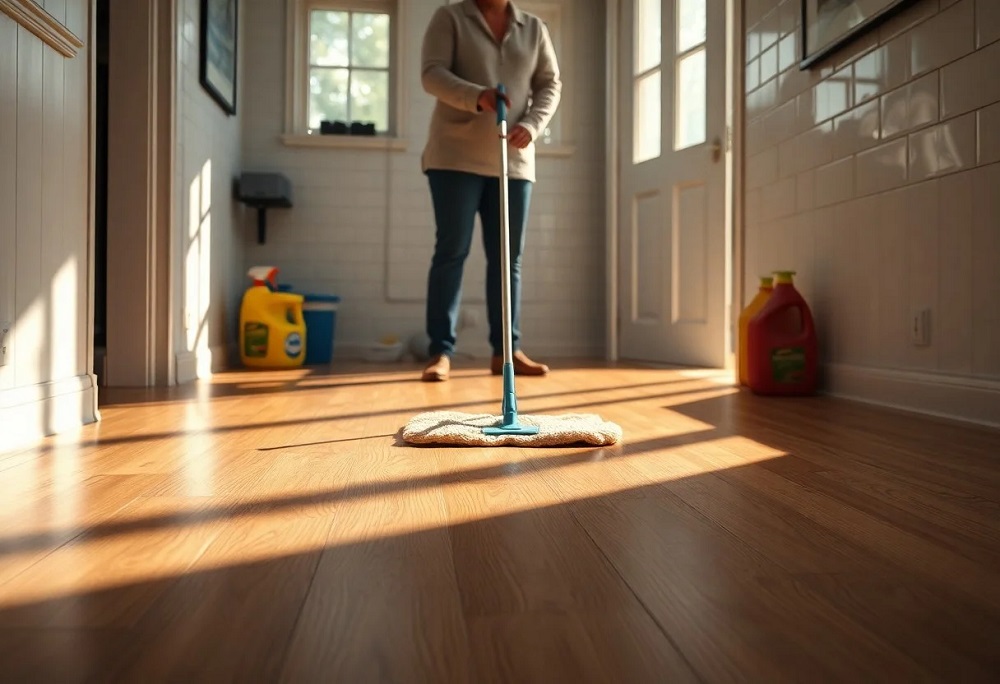

Flooring represents one of the largest financial investments you will make in your home. Beyond serving as the foundation of your interior design, your floors endure continuous mechanical wear and tear every single day. Foot traffic, pet claws, dropped items, airborne grit, and ambient humidity fluctuations all conspire to degrade flooring materials over time.
Premature floor replacement is expensive, disruptive, and often entirely preventable. Many homeowners unintentionally accelerate the aging of their floors by utilizing improper cleaning chemicals, allowing dirt to act as sandpaper underfoot, or ignoring environmental moisture. By implementing a proactive care routine tailored to the specific characteristics of your flooring material, you can maintain its original finish, protect its structural integrity, and extend its lifespan by decades.
Establishing Universal Preventative Maintenance Strategies
Regardless of whether your home features solid hardwood, luxury vinyl plank, ceramic tile, laminate, or wall-to-wall carpet, the most effective maintenance starts before dirt ever makes contact with the floor. Stopping abrasive particles and contaminants at your home entry points dramatically reduces daily wear.
Effective universal protection protocols include:
-
Dual-Mat Entry Systems: Place heavy-duty, bristled scraper mats outside exterior doors to remove coarse mud and gravel, paired with absorbent microfiber or cotton walk-off rugs inside to catch fine dust and moisture.
-
A Strict No-Shoes Policy: Outdoor footwear carries microscopic rock fragments, asphalt oils, and sharp debris that scratch protective polyurethane finishes and crush carpet fibers. Switching to house slippers or socks preserves flooring surfaces.
-
Heavy-Duty Felt Furniture Protectors: Affix thick, self-adhesive felt pads beneath the legs of all chairs, dining tables, couches, and decorative stands. Replace these pads every six to twelve months, as they compress and collect trapped grit over time.
-
Routine Pet Nail Trimming: Keep the claws of domestic pets properly clipped and filed. Unchecked claws exert significant pinpoint pressure that can puncture vinyl wear layers and leave deep gouges across hardwood planks.
-
Protective Mats Under Rolling Furniture: Never use hard plastic caster wheels directly on hard surfaces. Equip home office chairs with soft polyurethane rollerblade-style wheels or set them on non-staining polycarbonate floor mats.
These low-cost preventative measures eliminate the primary sources of surface friction, preserving your floor aesthetic appeal and structural surface layers.
Caring for Solid and Engineered Hardwood Floors
Hardwood flooring offers timeless elegance and exceptional longevity, but it is highly susceptible to moisture damage, abrasive scratching, and harsh chemical degradation. Wood is an organic, hygroscopic material that expands in humid conditions and contracts in dry environments, making climate control and moisture management essential.
To maintain the beauty and strength of hardwood floors:
-
Control Indoor Humidity Levels: Maintain relative indoor humidity between thirty-five and fifty-five percent year-round using whole-home humidifiers in winter and dehumidifiers or air conditioning in summer. This prevents cupping, crowning, and plank gapping.
-
Use Dry or Barely Damp Cleaning Methods: Never use traditional wet string mops or steam cleaners on hardwood. Water that seeps between plank seams causes swelling and wood rot. Instead, clean using a microfiber dust mop or an electrostatic dry sweeper daily.
-
Choose pH-Neutral Cleaners Specially Formulated for Wood: Avoid vinegar, ammonia, bleach, and oil soaps. Acidic solutions strip away protective urethane sealants, while oil soaps leave sticky residues that trap dirt. Spray a pH-neutral hardwood cleaner lightly onto a microfiber pad rather than directly onto the floor.
-
Reapply Screen-and-Recoat Treatments: Before the clear protective finish wears down completely to bare wood, have a professional apply a fresh maintenance coat of polyurethane every three to five years to seal minor surface scratches.
By avoiding saturated water exposure and treating the protective topcoat with care, quality hardwood can last through multiple generations.
Preserving Luxury Vinyl Plank and Laminate Surfaces
Luxury vinyl plank and high-pressure laminate have become popular due to their durability, ease of installation, and water resistance. However, these materials are not indestructible. Heat, aggressive cleaning agents, and standing water can still compromise the integrity of the wear layer and core boards.
Key maintenance guidelines for resilient and composite floors include:
-
Never Use Steam Mops: The intense heat and forced vapor from steam cleaners penetrate the click-lock seams of vinyl and laminate, causing the adhesive backing to fail, edges to curl, and inner fiberboard cores to swell permanently.
-
Clean Spills Promptly: Even water-resistant or waterproof vinyl floors have vulnerable perimeter edges and subfloor seams. Standing liquid can seep beneath the planks, promoting subfloor mold growth and adhesive breakdown.
-
Avoid Abrasive Scrubbing Tools: Scouring pads, steel wool, and abrasive scrubbing powders leave fine micro-scratches across vinyl wear layers, permanently dulling the factory sheen.
-
Protect Against Direct Ultraviolet Exposure: Prolonged exposure to intense sunlight can discolor vinyl and bake laminate resins. Use sheer curtains, uv-blocking window films, or blinds during peak sunny hours to prevent uneven fading.
Treating vinyl and laminate with gentle, damp microfiber cleaning prevents the wear layer from thinning prematurely.
Maintaining Ceramic, Porcelain, and Natural Stone Tile
Tile floors are renowned for their exceptional hardness and resistance to liquid penetration, making them ideal for kitchens, bathrooms, and entryways. However, the true vulnerability of a tile floor lies in the porous grout lines and the delicate mineral composition of natural stones like marble, slate, and travertine.
To maximize the service life of tile and stone:
-
Seal Grout Lines Regularly: Cementitious grout is naturally porous and absorbs dirty mop water, oils, and spills, leading to deep staining and microbial growth. Apply a high-grade penetrating fluoropolymer grout sealer every twelve to twenty-four months.
-
Avoid Acidic Cleaners on Natural Calcareous Stone: Never use lemon juice, vinegar, or acidic bathroom cleaners on marble, limestone, or travertine. Acid reacts instantly with calcium carbonate, causing permanent surface etching and loss of polish.
-
Use Soft-Bristled Brushes for Deep Grout Cleaning: When cleaning discolored grout, use an oxygenated bleach solution or specialized alkaline stone cleaner paired with a soft nylon brush. Avoid stiff wire brushes that erode the grout matrix.
-
Sweep Thoroughly Before Wet Mopping: Fine sand and silica particles ground into tile surfaces act as abrasives that wear away high-gloss glazes. Always sweep or vacuum using a hard-floor setting before damp mopping.
Regular sealing and non-acidic cleaning protect grout from disintegrating and keep stone surfaces polished and stain-free.
Extending the Longevity of Wall-to-Wall Carpeting
Carpeting provides warmth, sound insulation, and underfoot comfort, but it acts as a giant filter that traps atmospheric dust, allergens, and abrasive soil. If left uncleaned, sharp soil particles settle deep into the carpet backing, grinding against yarn filaments with every step and causing premature fiber shedding and matting.
Essential carpet maintenance practices include:
-
Vacuum Frequently with Proper Height Adjustment: Vacuum high-traffic hallways and living spaces at least two to three times per week. Adjust the vacuum head height so the rotating beater brush gently agitates the pile without pulling or fraying the yarn tips.
-
Utilize Certified High-Efficiency Particulate Air Filters: Vacuums equipped with sealed fine-particle filters prevent abrasive micro-dust from being redistributed back into the room atmosphere.
-
Blot Stains Immediately Rather Than Rubbing: When spills occur, immediately blot the area with clean white cotton towels working from the outside edge inward. Never scrub aggressively, as scrubbing frays yarn twists and forces stains deeper into the pad.
-
Schedule Professional Hot Water Extraction: Have carpets professionally cleaned using hot water extraction every twelve to eighteen months. This process lifts deeply embedded oily residues that dry vacuuming cannot extract.
Frequent vacuuming and periodic deep extraction prevent traffic patterns from forming and maintain pile springiness over the long term.
Frequently Asked Questions
How does improper vacuuming damage hard surface flooring?
Using a vacuum cleaner with an engaged rotating beater bar or stiff nylon brush roll on hard surfaces can cause significant damage. The high-speed spinning bristles whip grit against the floor and scratch delicate polyurethane finishes, vinyl wear layers, and polished stone. Always turn off the beater bar or switch to a specialized hard-floor soft brush attachment designed specifically for non-carpeted surfaces.
Why do some rubber-backed rugs cause yellow staining on vinyl and hardwood floors?
Many inexpensive area rugs and bath mats use synthetic rubber or petroleum-based latex backings that emit chemical gases over time. A chemical reaction known as plasticizer migration occurs between the rubber backing and the chemical compounds in vinyl or wood finishes, resulting in permanent yellowish or brownish discoloration. Always choose rugs with natural jute, woven cotton, or colorfast felt backings, paired with non-staining natural rubber pads.
What is the correct procedure for cleaning up standing water on laminate flooring?
Immediately soak up all visible standing water using dry, absorbent microfiber towels or a wet-dry vacuum. Once the surface moisture is removed, direct an electric floor fan or portable dehumidifier toward the affected area for twenty-four to forty-eight hours to dry out any moisture that seeped into the expansion gaps and locking joints before the core board begins to swell.
How can you tell when a hardwood floor needs to be completely refinished versus just recoated?
A floor only needs a maintenance screen-and-recoat if the damage is confined to light surface scratches within the top layer of polyurethane, without any bare wood exposure. If the floor shows deep gouges, heavy gray water stains, cupped boards, or areas where the protective sealant has worn away entirely to expose bare, oxidized timber, a full sanding down to raw wood and complete refinishing is required.
Can regular wax or furniture polish be used to shine modern polyurethane hardwood floors?
No, traditional paste waxes, oil-based polishes, and silicone sprays should never be applied to modern polyurethane-finished wood floors. These products leave a greasy, stubborn film that attracts dirt, creates a slippery hazard, and prevents future maintenance coats of polyurethane from bonding properly to the surface, forcing an expensive full sanding restoration later.
How does seasonal indoor air dryness affect solid wood plank floors?
During cold winter months when indoor heating systems run continuously, the relative humidity inside a home can drop significantly below thirty percent. This dry air pulls internal moisture out of solid wood planks, causing the wood to shrink. This results in visible gaps appearing between individual floorboards and can cause minor surface checking or creaking when walked upon.
What causes tile grout to crack and crumble away over time?
Grout cracking is typically caused by excessive subfloor deflection, improper mortar coverage beneath the tiles, or structural settling of the building foundation. It can also occur if the original installer mixed the grout with too much water, which weakens the cured cement matrix and makes it powdery, brittle, and prone to breaking down under routine foot traffic.