
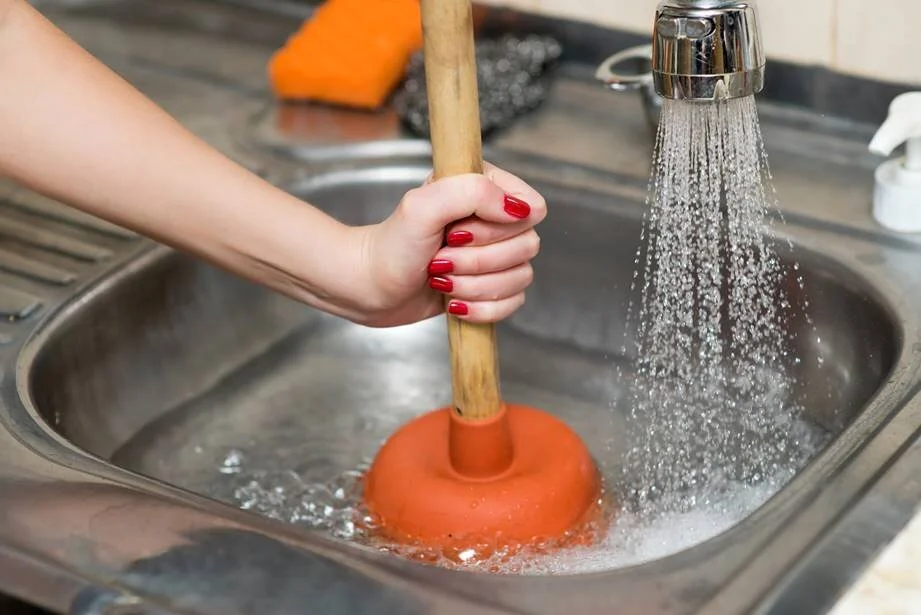

Drainage disasters rarely happen overnight. They develop through months of small, seemingly harmless habits that slowly narrow the interior diameter of your plumbing lines. Every greasy saute pan rinsed under the faucet, every stray hair washed past a sink stopper, and every rinse of a clay face mask leaves behind a microscopic film. Over time, that film attracts passing debris, hardens into a dense obstruction, and turns a routine morning shower or evening dishwashing session into a frustrating pool of stagnant water.
Preventing clogged drains does not require weekly plumbing visits or toxic chemical cocktails. Instead, it demands an understanding of how kitchen and bathroom waste streams behave once they disappear beneath the stainless steel or porcelain surface. By implementing targeted physical barriers, practicing proper disposal protocols, and establishing gentle maintenance routines, you can keep your drainage system flowing freely for years.
The Kitchen Drain: Defeating Grease, Starch, and Disposal Myths
Kitchen drains contend with an aggressive mixture of fats, insoluble starches, and food scraps. While many modern kitchens feature an in-sink garbage disposal, relying on that motor to pulverize everything from dinner plates is a direct route to line blockage. A garbage disposal is designed to shred soft food residues, not replace the trash can or compost bin.
The Physics of Fat, Oil, and Grease (FOG)
The primary cause of kitchen clogs is the quiet accumulation of fats, oils, and grease, commonly known in the plumbing industry as FOG. When hot grease is poured down the sink, it appears completely liquid. However, as it travels past the initial trap and into the cooler pipe runs beneath the floor or inside exterior walls, it cools rapidly.
Upon cooling, grease solidifies, adhering to the pipe walls. Subsequent dish soap runs through the line may temporarily emulsify small amounts of this fat, but soap itself contains fatty acids that eventually combine with minerals in tap water to create hard, waxy deposits. To eliminate this issue:
- Scrape cooking pans, baking sheets, and plates thoroughly into the trash or a grease container using a silicone spatula before washing them in the sink.
- Wipe greasy residue from cookware with a dry paper towel prior to washing with hot soapy water.
- Never pour cooking oil, bacon grease, mayonnaise, butter, or thick sauces down the drain, regardless of how much boiling water you run alongside them.
Problem Foods That Destroy Clear Pipes
Beyond fats, several common kitchen staples create severe mechanical blockages. Fibrous foods like celery stalks, artichoke leaves, corn husks, and onion skins wrap around disposal blades, binding the motor and slipping past the impellers in stringy clusters that catch on pipe elbows.
Starchy foods such as pasta, rice, and potato peelings pose a different threat. When exposed to standing water inside the trap, starches absorb moisture, expand, and turn into a sticky, dense paste reminiscent of wallpaper paste.
Coffee grounds represent another major hazard. Coffee grounds do not dissolve in water. Because of their granular weight and density, they settle in the lowest dips of the P-trap and horizontal pipe runs, accumulating like wet silt in a riverbed until water can no longer push past.
The Cold Water Rule for Disposals
Whenever you run your garbage disposal, always use cold water rather than hot. Hot water melts food fats during the grinding process, allowing them to coat the blades and flow downstream where they congeal in the main branch line. Cold water keeps fats solid and firm, enabling the disposal impellers to chop them into discrete particles that wash through the system without adhering to pipe surfaces. Keep the cold water running for ten to fifteen seconds after turning off the motor to ensure the pulverized debris clears the branch line entirely.
The Bathroom Drain: Combating Hair and Soap Scum
While kitchen pipes suffer from organic food waste and cooling fats, bathroom drains face a completely different chemical battleground: the combination of human hair and insoluble soap curds.
The Binding Power of Soap Scum
Hair shed during showering or washing naturally follows the flow of draining water. On its own, a loose bundle of wet hair might slide through a smooth pipe. However, conventional bar soaps are manufactured from saponified animal fats or vegetable oils. When these fatty acids encounter the dissolved calcium and magnesium present in household tap water, a chemical reaction occurs, forming an insoluble precipitate known as calcium stearate, or soap scum.
This tacky, chalky residue coats the walls of the drain pipe and clings to mechanical pop-up stopper linkages. When hair enters the drain, it sticks to the soap scum. The hair strands act like reinforcing fibers in concrete, creating a dense, tangled net that traps dead skin cells, toothpaste, shaving cream, and body lotions until the line slows to a crawl.
Upgrading to Dedicated Physical Catchers
The most reliable way to prevent bathroom drain clogs is to catch debris before it ever passes the drain grate. Built-in pop-up stoppers in bathroom sinks and push-pull stoppers in bathtubs are notorious clog incubators because their internal hinge pins and drop rods sit directly in the water path, catching every hair that passes.
- Install drop-in silicone or mesh hair catchers over shower and tub drains. These inexpensive strainers catch shedding hair on top of the drain plate while letting water pass freely through perimeter holes.
- Remove and clean pop-up stoppers every few months. Hair routinely wraps around the pivot rod located right beneath the sink basin; unscrewing the cleanout nut under the sink allows you to slide out the rod, remove the accumulated hair ball, and restore full flow.
- Brush your hair thoroughly before stepping into the shower. Removing loose strands prior to washing significantly reduces the volume of hair that washes toward the drain.
Routine Maintenance Without Corrosive Chemicals
When drains begin to slow, many homeowners instinctively grab a bottle of heavy-duty chemical drain cleaner. These commercial products typically rely on high concentrations of sodium hydroxide (lye) or sulfuric acid to dissolve organic matter.
While they can burn a temporary hole through a clog, chemical openers are exceptionally destructive to residential plumbing systems. The harsh chemical reactions generate extreme heat, which can soften, warp, or crack modern PVC pipes and eat away at the rubber slip-joint washers that keep your traps watertight. On older cast iron or galvanized lines, these acids accelerate internal corrosion, leaving the interior pipe walls rough and pitted—a texture that catches future debris even faster.
The Gentle Preventive Flush
Instead of reacting to total blockages with caustic acids, establish a monthly preventive flushing routine using safe, readily available household methods.
For kitchen sinks, pour half a cup of washing soda or baking soda down the drain, followed by a steady rinse of very hot water. While baking soda and hot water will not dissolve a rock-hard tree root or an old plastic toy, the alkaline nature of the soda combined with thermal energy softens light grease films and washes them out to the municipal main before they solidify into stubborn blockages.
For drains with modern PVC piping, avoid pouring rolling boiling water directly down the sink, as temperatures exceeding 140°F to 160°F can weaken thin-wall plastic joints. Tap water running at your water heater’s maximum setting is entirely sufficient for routine flushing.
Bio-Enzymatic Cleaners for Long-Term Health
For sustained pipe cleanliness, switch to bio-enzymatic drain maintenance products. Unlike chemical cleaners that attack matter through corrosive acid burns, enzymatic cleaners introduce beneficial bacteria and concentrated enzymes that naturally digest organic matter—including fats, proteins, soap films, and starches.
Applying an enzymatic solution once a month before going to bed allows the beneficial bacteria to colonize the pipe walls overnight while water is not running. They gradually consume the organic lining inside the pipe, leaving smooth surfaces that debris cannot easily grip.
Consistent Habits Protect Your Infrastructure
Maintaining clean, reliable drains does not require specialized technical expertise; it simply requires consistency. By keeping grease and expanding starches out of the kitchen disposal, using physical strainers to block hair in the shower, and avoiding destructive chemical treatments in favor of enzymatic care, you protect your home’s plumbing infrastructure from costly failures. Treat your drains as dedicated wastewater pathways rather than catch-all waste disposals, and you will rarely need to reach for a plunger or call in an emergency plumber.