
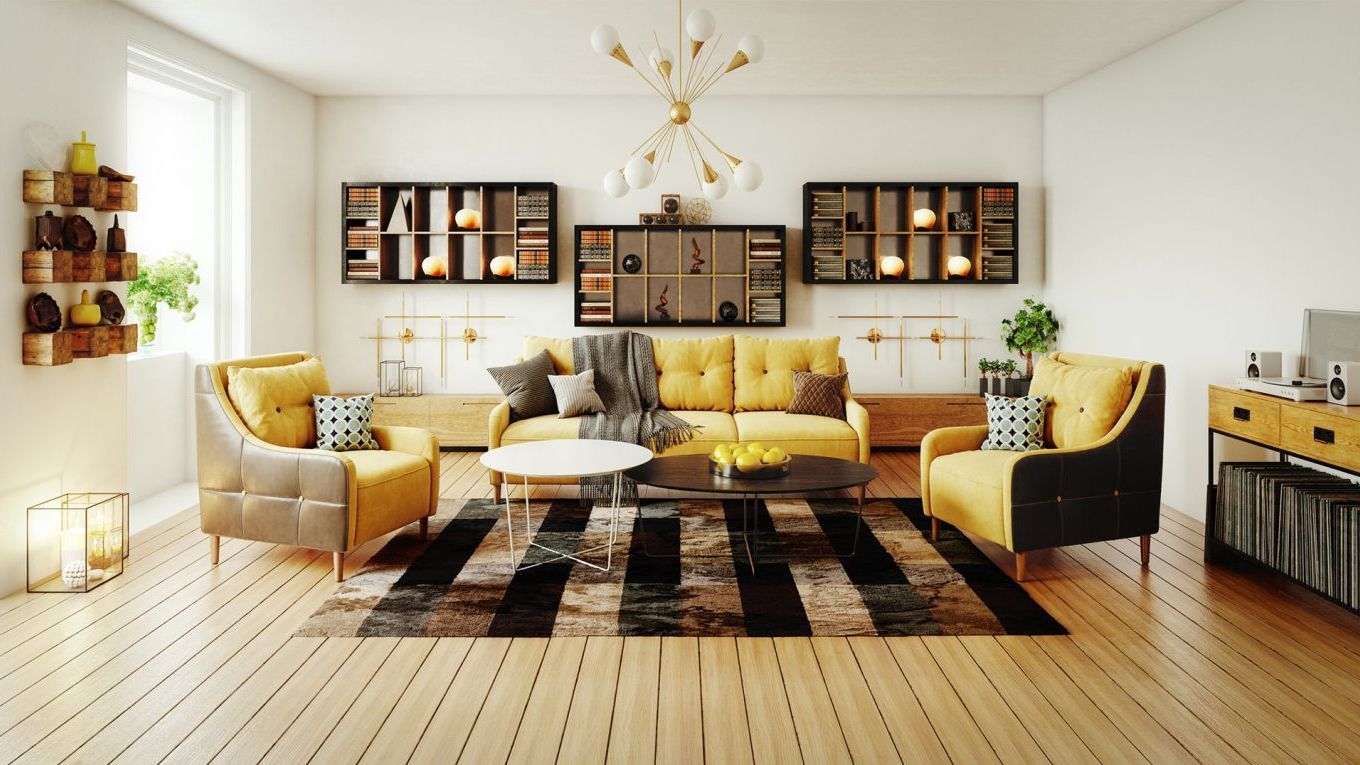

Decorating a home is an art form that blends functionality with aesthetics. The right decor not only enhances the beauty of a space but also creates an atmosphere that reflects personal style and fosters comfort. Whether you’re looking to refresh a single room or completely transform your home, understanding the principles of home decor is essential for creating a space that is both inviting and cohesive. In this article, we will explore expert tips and tricks to help you elevate your home decor to the next level, ensuring that every detail contributes to a harmonious environment.
Understanding the Core Principles of Home Decor
Before diving into specific decor ideas, it’s crucial to understand the fundamental principles that drive effective home decor. These elements guide the process of designing each room to create a cohesive, functional, and visually appealing space.
1. Balance
Balance refers to the distribution of visual weight in a room. Achieving balance ensures that no area feels too heavy or overcrowded while others feel empty. There are three types of balance:
- Symmetrical Balance: This involves placing identical objects on either side of a central axis, creating a sense of order and formality. For example, a pair of matching lamps on either side of a sofa.
- Asymmetrical Balance: This creates a more dynamic, informal feel by arranging objects of different sizes, shapes, or colors to achieve balance through their visual weight rather than symmetry.
- Radial Balance: Objects are arranged around a central point, creating an evenly distributed look. Think of a round dining table surrounded by chairs.
2. Proportion and Scale
Proportion and scale deal with the size relationships between different elements in a space. Ensuring the right balance between the size of furniture, decor items, and the room itself is essential to avoid overcrowding or empty spaces. For example, placing a large sectional sofa in a small room can overwhelm the space, while tiny furniture in a large room may feel lost.
- Proportion: Refers to the relationship between the sizes of objects in relation to each other. A large statement piece should be balanced by smaller objects around it to maintain harmony.
- Scale: Refers to the size of objects in relation to the size of the room. Large rooms can accommodate larger furniture pieces, while smaller spaces require more compact pieces.
3. Color Scheme
The colors you choose for your space set the tone and mood of the room. A well-thought-out color scheme can make a room feel warm and inviting or cool and calming. Consider the following tips when selecting colors:
- Use Neutrals as a Base: Neutral colors like whites, beiges, grays, and earth tones serve as a great foundation for any room. They provide flexibility and act as a backdrop to more vibrant accent colors.
- Accent Colors: Introduce bold accent colors through pillows, rugs, and artwork to add personality to the space without overwhelming it.
- Monochromatic vs. Complementary: Monochromatic color schemes use variations of one color, while complementary schemes use opposite colors on the color wheel. Both can create visually appealing results depending on the mood you want to evoke.
4. Texture and Materials
Texture plays a significant role in adding depth and interest to your space. Combining different textures—such as soft fabrics, rough wood, shiny metals, and smooth glass—can help create a tactile experience that enhances the overall design. Here’s how to mix and match textures effectively:
- Soft vs. Hard: Pair soft textures (like velvet cushions, wool rugs, or linen curtains) with hard textures (such as marble countertops, wooden furniture, or metal light fixtures) to create a balanced and rich environment.
- Layering: Layering textures in furniture and accessories is another way to add dimension. For example, a leather armchair complemented by a knitted throw, a velvet cushion, and a metal side table creates a varied yet cohesive look.
5. Lighting
Lighting is one of the most crucial aspects of home decor, as it has the power to shape the atmosphere of a room. It’s essential to incorporate various types of lighting to achieve both functionality and ambiance:
- Ambient Lighting: This is the primary source of light in a room, typically provided by ceiling lights or recessed lighting. It ensures that the space is well-lit overall.
- Task Lighting: Focused lighting used for specific tasks such as reading, cooking, or working. Table lamps, under-cabinet lights, and pendant lights above workstations are perfect examples.
- Accent Lighting: Used to highlight artwork, architectural features, or other design elements. Spotlights, wall sconces, or track lighting can draw attention to specific areas of the room.
Room-Specific Decor Tips
Each room in your home has its unique needs and requirements. Here’s a look at some room-specific decor tips that will help you create spaces that are not only stylish but also functional.
1. Living Room Decor
The living room is often the focal point of the home, where family members and guests come together. To design a space that is both comfortable and visually appealing:
- Focus on Seating: Arrange your seating around a central point, such as a fireplace or TV, ensuring that the arrangement promotes conversation and interaction.
- Layer Rugs: Use rugs to define different areas, especially in large living rooms. A well-placed rug can create a cozy atmosphere and add color and texture.
- Artwork and Accessories: Use artwork and decorative accessories like vases, sculptures, and books to add personality. Ensure that the scale of the pieces is appropriate for the size of the walls and furniture.
2. Bedroom Decor
Your bedroom should feel like a retreat—a space that promotes relaxation and restful sleep. Here’s how to create the perfect bedroom decor:
- Invest in Quality Bedding: Soft, high-quality linens, comfortable pillows, and a cozy duvet or blanket will elevate your sleep experience while adding an inviting touch.
- Create a Focal Point: The bed should be the focal point of the room. Pair it with a statement headboard, wall art, or a decorative light fixture to draw attention to the center.
- Use Soft Lighting: Opt for soft, ambient lighting that creates a calming atmosphere. Consider table lamps, floor lamps, or pendant lights with dimming options.
3. Kitchen Decor
The kitchen is the heart of the home, and it should be both functional and visually appealing. Here are a few tips to enhance your kitchen decor:
- Open Shelving: Open shelves can display beautiful dishes, cookbooks, or plants, adding personality to the space while keeping things accessible.
- Bright and Airy: Use light-colored cabinets, countertops, and backsplash to create a bright and open kitchen. Incorporate natural elements like wood or stone to add warmth.
- Statement Lighting: A pendant light over the island or dining area can add style while offering functional lighting.
4. Bathroom Decor
The bathroom should offer a balance of luxury and practicality. Here’s how to decorate this small yet significant space:
- Upgrade Fixtures: High-end faucets, showerheads, and lighting can instantly elevate the look of your bathroom.
- Use Mirrors: Mirrors can create the illusion of space and reflect light, making the room feel larger. Choose stylish mirrors that complement the overall design.
- Add Greenery: A few plants can add freshness and color to the bathroom while also improving the air quality.
Sustainable and Eco-Friendly Decor Ideas
Sustainability is becoming a significant consideration in home decor, with more people opting for eco-friendly choices. Here are some ways to incorporate sustainability into your decor:
- Repurpose and Upcycle: Repurposing old furniture or upcycling materials is a great way to reduce waste and create one-of-a-kind pieces for your home.
- Choose Natural Materials: Opt for furniture and decor made from natural materials like wood, stone, and bamboo, which are renewable and biodegradable.
- Energy-Efficient Lighting: Swap out traditional light bulbs for LED lights to reduce energy consumption.
Frequently Asked Questions
How do I create a cohesive color scheme for my home?
Start with a neutral base and add accent colors that complement each other. Use the color wheel to identify complementary or analogous color schemes that work well together.
What are the best textures to use in home decor?
Use a combination of soft textures (velvet, linen) and hard textures (metal, wood) to create a layered, balanced look. Experiment with different fabrics and materials to add depth and interest.
How can I make a small room feel bigger with decor?
Opt for light colors, mirrors, and furniture with clean lines. Use multi-functional furniture and keep the space uncluttered to create the illusion of more room.
What are some easy ways to add character to a room?
Add personal touches with artwork, vintage furniture, unique accessories, and plants. Mixing different styles, such as modern and rustic, can create a room with depth and personality.
How do I incorporate sustainable decor into my home?
Choose eco-friendly furniture made from sustainable materials, use energy-efficient lighting, and consider second-hand or upcycled items to reduce your environmental impact.
What is the importance of lighting in home decor?
Lighting plays a vital role in setting the mood of a room. A combination of ambient, task, and accent lighting creates a layered effect that enhances the room’s functionality and atmosphere.
With these expert tips and insights, you can elevate your home decor to create spaces that are not only beautiful but also functional and reflective of your personal style.