
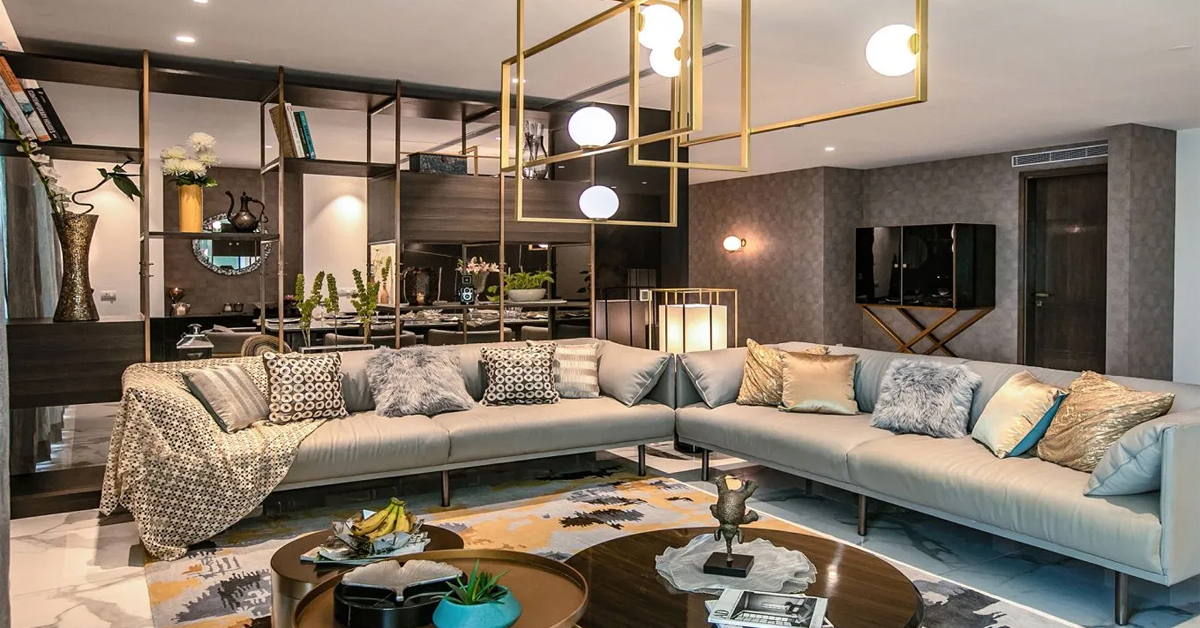

Interior design is the art of enhancing the interior of a building to achieve a healthier and more aesthetically pleasing environment for the people using the space. Whether you’re designing a residential home, an office, or any other space, interior design is about creating a balance between form, function, and beauty. A well-designed space improves the quality of life and culture of the occupants, creates a sense of comfort, and maximizes space functionality. This guide will explore everything you need to know about interior design, from understanding key concepts to applying advanced techniques that make a space truly remarkable.
The Importance of Interior Design
Interior design is more than just decoration; it’s about creating a space that enhances your lifestyle. A thoughtfully designed interior has the power to affect how you feel, how you move through the space, and how productive or relaxed you feel. Here are a few reasons why interior design is crucial:
- Functionality: Well-designed spaces make it easier to perform everyday activities. Furniture and decor are arranged to optimize comfort and accessibility.
- Aesthetic Appeal: Interior design allows you to express personality and style through colors, textures, and furniture choices.
- Well-Being: The design of your environment can influence your mental and emotional health. Natural light, green spaces, and proper ergonomics all contribute to overall well-being.
- Value: A beautifully designed space not only enhances daily living but can increase the property’s market value when it comes to selling.
Core Principles of Interior Design
Every interior design project is built on a few key principles that guide the selection and placement of elements in a space. Understanding these principles is essential to creating a cohesive and effective design.
1. Balance
Balance in design refers to the distribution of visual weight in a space. Achieving balance ensures that the space feels harmonious and that no part feels too heavy or empty. There are three types of balance in interior design:
- Symmetrical Balance: Elements on either side of a central axis are the same or very similar. This balance type evokes a formal, orderly, and calm feeling.
- Asymmetrical Balance: This balance type uses different items to create an informal but still visually balanced space. For example, a large sofa on one side of a room with smaller chairs on the opposite side.
- Radial Balance: Elements are arranged around a central point. This can be seen in circular dining tables or round chandeliers.
2. Proportion and Scale
Proportion and scale refer to the size and relationship of elements in a space relative to one another. Properly scaling furniture and decor ensures a room doesn’t feel overcrowded or underwhelming.
- Proportion: Refers to the relationship between the size of elements within a room. For instance, placing an oversized sofa in a small living room may disrupt the room’s proportion.
- Scale: The size of furniture in relation to the room itself is key. Larger rooms can accommodate bigger pieces, while smaller rooms require more compact furniture to avoid overcrowding.
3. Rhythm
Rhythm in interior design refers to creating a sense of organized movement through repetition, progression, and contrast. This can be achieved by repeating colors, patterns, and textures, or through gradual changes in color or size to lead the eye around the room.
- Repetition: Using the same shapes, colors, or patterns in multiple places. For instance, using the same color of accent pillows throughout the room to create harmony.
- Progression: Gradual changes in size, color, or texture, like a gradient of shades in the room’s decor.
- Contrast: A striking juxtaposition of colors, shapes, or textures that catches the eye and adds interest to the space.
4. Harmony and Unity
Unity refers to the cohesive look that a space should have. All the elements should feel like they belong together, whether through a consistent theme, color palette, or material use. The goal is for every piece in the room to support the overall design.
- Color Palette: Select a color scheme that ties the room together. Using complementary colors or varying shades of a single color will create harmony.
- Consistency: Ensure that the furniture and decor work together. For example, pairing modern furniture with modern art creates unity, whereas mismatched styles can disrupt the overall flow.
5. Emphasis and Focal Points
Every space needs a focal point – the element that draws attention first. This can be achieved with furniture, artwork, lighting, or architectural features like fireplaces. The key is to ensure that the focal point is not overwhelmed by other elements in the room.
- Artwork: A large, striking piece of art or a gallery wall can serve as the focal point of a living room.
- Statement Furniture: A unique or oversized piece of furniture, such as an armchair or coffee table, can command attention and act as the room’s focal point.
Elements of Interior Design
Several design elements contribute to the overall feel of a space. Each element works in harmony with others to create a space that is both functional and visually appealing.
1. Color
Color is one of the most important elements in interior design because it influences the mood and atmosphere of a room.
- Warm Colors: Red, orange, and yellow evoke energy, warmth, and comfort. These are often used in living rooms or dining rooms to create an inviting atmosphere.
- Cool Colors: Blue, green, and purple are calming and relaxing. They are great choices for bedrooms or bathrooms to create a tranquil environment.
- Neutral Colors: White, gray, beige, and black act as a backdrop for other elements, providing balance and flexibility in design.
2. Furniture
Furniture is the most functional and visually dominant element in interior design. The right pieces can make or break the design of a room.
- Functionality: Each piece should serve a specific purpose. For example, multifunctional furniture like storage ottomans or sofa beds is ideal for small spaces.
- Style: Choose furniture that complements the design theme of the room. Whether it’s sleek, modern lines or traditional wooden pieces, your furniture should reflect your personality and suit the room’s function.
- Comfort: Comfort is key when selecting furniture, especially for seating areas like living rooms and bedrooms.
3. Lighting
Lighting sets the mood and affects the functionality of a space. It should include a mix of ambient, task, and accent lighting.
- Ambient Lighting: General lighting, such as ceiling fixtures or recessed lighting, provides overall illumination.
- Task Lighting: Focused lighting for specific tasks like reading or cooking. Desk lamps, pendant lights, and under-cabinet lighting are common examples.
- Accent Lighting: Used to highlight art, architectural features, or furniture. Spotlights or picture lights create visual interest and depth.
4. Textures and Materials
Textures create visual interest and a tactile experience. Mixing different textures can add depth and warmth to a room.
- Soft Textures: Upholstery fabrics like velvet, linen, or cotton create comfort and softness. Rugs, cushions, and curtains are excellent ways to introduce soft textures.
- Hard Textures: Materials like wood, stone, metal, and glass introduce a sense of permanence and sophistication. The key is to balance hard and soft textures for a dynamic design.
5. Accessories and Decor
The right accessories bring a room to life. Art, textiles, and decorative pieces provide the finishing touches that give personality to a space.
- Art: Whether it’s a large statement piece or a collection of smaller works, art adds color, style, and emotion to your space.
- Textiles: Rugs, throw pillows, and blankets contribute color, texture, and warmth, enhancing comfort and style.
- Plants: Incorporating plants into your design adds freshness, greenery, and life to any room, especially in living rooms, kitchens, and bathrooms.
Interior Design Styles
Interior design styles vary depending on personal taste, but the following are some of the most popular approaches to decorating a space:
- Modern: Characterized by clean lines, minimalistic furniture, and neutral color palettes.
- Traditional: Focuses on classic, timeless designs with ornate details, rich colors, and luxurious fabrics.
- Industrial: Uses raw materials like steel, exposed brick, and unfinished wood to create a rugged, urban look.
- Scandinavian: Known for simplicity, functionality, and light, airy spaces with a focus on natural materials and muted colors.
- Bohemian: Incorporates eclectic, colorful designs, layered textures, and an emphasis on individuality.
Frequently Asked Questions
How do I choose the right color scheme for my room?
Consider the room’s purpose and the mood you want to create. For relaxing spaces, like bedrooms, choose cool tones. For active spaces, like living or dining rooms, opt for warmer, inviting colors.
What’s the difference between modern and contemporary design?
Modern design refers to a specific time period, often between the early to mid-20th century, characterized by clean lines and minimalism. Contemporary design is more fluid and ever-evolving, embracing current trends.
How can I incorporate sustainability into my interior design?
Opt for sustainable materials like reclaimed wood, bamboo, and recycled glass. Choose energy-efficient appliances, and incorporate plants to improve air quality and add a natural element.
What is the most important factor in designing a small space?
Maximizing functionality without overcrowding is key. Use multi-functional furniture, light colors, and mirrors to create the illusion of more space.
How do I mix different design styles?
Start with a dominant style and introduce elements from other styles in a way that feels intentional. For example, pair modern furniture with bohemian accessories or add industrial touches to a traditional room.