
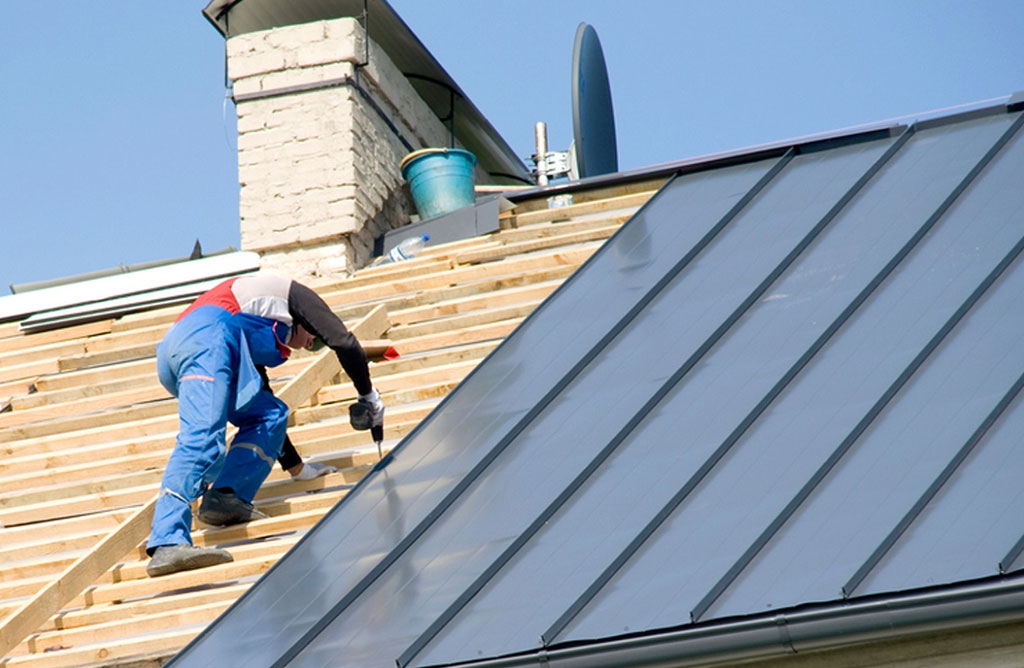

A roof is the primary barrier defending a home against intense heat, freezing cycles, wind-driven rain, and heavy snow loads. When building a new home or planning a major replacement, property owners often make the mistake of focusing strictly on upfront installation costs. Choosing the lowest-priced roofing material might seem budget-friendly on day one, but frequent repairs, rapid weather degradation, and early complete replacements make low-grade roofs far more expensive over the life of the property.
Investing in high-durability roofing materials delivers substantial long-term financial returns. Premium roofing choices resist moisture intrusion, reflect solar heat to reduce interior utility bills, qualify homes for insurance discounts, and preserve structural roof decking for decades. Evaluating roofing materials through a full life-cycle cost analysis ensures you choose a durable solution that protects your home while minimizing maintenance expenses.
Understanding Life-Cycle Cost in Roofing Decisions
The true cost of a roof extends well beyond the initial purchase order and labor invoice. A comprehensive life-cycle cost analysis balances three critical financial elements: upfront capital expenditure, periodic maintenance and repair requirements, and total expected operating lifespan.
To understand long-term savings, homeowners should consider these key financial dynamics:
- Initial Material and Installation Costs: Premium durable materials like standing seam metal, natural slate, and clay tile require specialized installation methods and higher initial investment compared to standard asphalt products.
- Expected Service Lifespan: While basic three-tab asphalt shingles often require replacement after fifteen to twenty years, durable alternatives can easily perform for fifty to one hundred years or more.
- Routine Maintenance Requirements: Materials vulnerable to algae growth, wind uplift, or hail impact demand frequent patching, granule replacement, and moss cleaning that add up over time.
- Energy-Efficiency Dividends: Highly reflective, ventilated roofing systems lower attic temperatures during summer peaks, driving down air conditioning costs and reducing mechanical strain on home cooling systems.
- Home Resale Equity and Curb Appeal: Installing an architectural-grade, long-lasting roof increases appraised home value, providing high return on investment when selling the property.
Selecting a roof based on lifespan rather than initial cost eliminates recurring tear-off fees, multiple dumpster rentals, and escalating replacement labor costs down the road.
Metal Roofing: Superior Resilience and Thermal Performance
Metal roofing has become one of the most popular choices for homeowners seeking a balance of durability, energy efficiency, and modern aesthetics. Once reserved for agricultural and industrial buildings, modern residential metal roofing systems come in diverse styles, including concealed-fastener standing seam panels, stamped metal shingles, and stone-coated steel tiles.
Metal roofs deliver distinct long-term performance benefits:
- Extended Longevity: Quality standing seam and metal shingle systems consistently last forty to seventy years with minimal structural maintenance.
- Extreme Weather Resistance: Metal panels carry Class Four impact ratings against heavy hail and can withstand sustained wind speeds exceeding one hundred forty miles per hour without blowing off.
- Superior Fire Safety: Most metal roofing assemblies achieve a Class A fire rating, the highest level of non-combustible protection against drifting embers and wildfire hazards.
- Solar Heat Reflection: Metal coated with specialized cool-roof pigment finishes reflects solar radiant energy rather than absorbing it into attic spaces, lowering household cooling loads by up to twenty-five percent.
- Lightweight Structural Profile: Metal puts far less dead-weight load on roof rafters and wall studs compared to heavy concrete or natural slate, eliminating the need for expensive structural framing reinforcement.
The concealed-fastener standing seam design provides the highest weather protection because the screws and clips remain sheltered under interlocking seams, preventing water leaks caused by aged rubber washer gaskets.
Architectural and Composite Synthetic Shingles
For homeowners who prefer the classic look of traditional shingles but demand greater longevity than basic asphalt, architectural and synthetic composite tiles provide an exceptional middle-ground solution.
Engineered composite shingles are manufactured from recycled plastics, rubber polymers, and mineral binders, mimicking the appearance of natural cedar shakes or quarried slate:
- Architectural Asphalt Upgrades: Multi-layered architectural asphalt shingles feature laminated fiberglass mats embedded with mineral granules, lasting twenty-five to thirty years and offering far greater tear resistance than flat three-tab shingles.
- Engineered Polymer Shakes and Slates: Synthetic tiles deliver the rich texture of natural slate or hand-split wood shakes without the risk of splitting, rotting, or insect infestation, offering verified lifespans of fifty years or more.
- Resistance to Thermal Shock and Cracking: Polymer blends flex during sudden freeze-thaw cycles instead of cracking, which protects roof decking from moisture penetration.
- Algae and Moss Resistance: Modern composite and luxury asphalt shingles incorporate copper and zinc granules that actively inhibit unsightly black algae streaks and lichen growth.
Composite shingles provide a sophisticated architectural appearance while eliminating the high weight and delicate maintenance requirements of traditional wood or quarry products.
Clay, Concrete, and Terracotta Tile Roofing
Tile roofing has protected residential structures across Mediterranean, Southwestern, and coastal regions for centuries. Made from natural kiln-fired clay or molded Portland cement mixtures, barrel tiles and flat interlocking tiles are virtually impervious to the elements that destroy organic roofing materials.
Key durability characteristics of clay and concrete tiles include:
- Century-Scale Lifespans: High-grade kiln-fired clay tiles routinely last between seventy-five and one hundred years, often outliving the wooden structures beneath them.
- Complete Resistance to Rot and Insects: Clay and concrete cannot rot, warp, or degrade from mold, and they are completely immune to damage from wood-boring insects.
- Natural Thermal Insulation: The curved geometry of barrel tiles creates a natural airflow cavity between the tiles and the roof deck, venting heated air before it reaches the living space.
- Salt-Air Corrosion Resistance: Tile does not corrode or rust, making it an ideal long-term choice for coastal environments where marine salt spray deteriorates metal coatings.
While tile roofing requires strong structural roof trusses to support its heavy physical weight, its durability makes it one of the most cost-effective choices over a multi-decade timeline.
Natural Quarried Slate: The Lifetime Roofing Standard
Quarried natural slate represents the gold standard of architectural permanence. Split from natural metamorphic rock beds, slate tiles offer unmatched density, weather resistance, and natural beauty.
Investing in natural slate provides lifelong benefits:
- Century-Plus Service Life: A properly installed natural slate roof can endure for one hundred to one hundred fifty years, serving as a true once-in-a-lifetime installation.
- Impermeability to Water and Frost: Slate stone absorbs virtually zero water, preventing freeze-thaw micro-fissuring and water infiltration during prolonged winter freezes.
- Inherent Chemical and Environmental Resistance: Natural stone is impervious to acid rain, airborne pollutants, salt spray, and extreme ultraviolet radiation.
- Unmatched Historic Aesthetic Value: Slate matures gracefully over time, preserving its rich texture and natural color variations without fading or peeling.
Because natural slate requires master slating skills and heavy copper nail fastening systems, choosing an experienced roofing contractor is essential to maximizing the life of the material.
The Vital Role of Underlayment and Ventilation
A durable roofing material can only deliver its full potential if the underlying support system is installed with equal care. Even the highest-grade slate or metal panels will fail prematurely if the roof underlayment rots or poor attic ventilation traps moisture inside the framing.
Critical components of a long-lasting roof assembly include:
- Synthetic Roof Underlayment: Modern non-woven synthetic underlayments resist moisture absorption and tearing far better than traditional asphalt-saturated organic felt paper, providing a robust secondary barrier.
- Self-Adhering Ice and Water Shields: Applying rubberized asphalt membranes along roof eaves, valleys, rakes, and chimney flashings prevents leaks caused by winter ice dams and wind-driven rain.
- Balanced Attic Intake and Exhaust Ventilation: Continuous soffit intake vents combined with ridge exhaust vents maintain consistent airflow under the roof deck, exhausting trapped moisture vapor and preventing summer heat buildup.
- High-Grade Metal Flashings: Using corrosion-resistant copper, stainless steel, or heavy-gauge aluminum flashings around roof penetrations ensures the joints last just as long as the primary roofing material.
A fully integrated roofing system protects the building envelope, prevents structural decking rot, and preserves indoor energy efficiency.
Frequently Asked Questions
How does installing a durable cool roof lower interior energy expenses during peak summer months?
Cool roofs utilize specialized reflective granules, light colors, and high thermal emittance coatings that bounce solar radiation away from the building rather than absorbing it. By keeping the roof surface up to fifty degrees cooler than traditional dark asphalt roofs, heat transfer into the attic and living spaces is significantly reduced. This lightens the workload on air conditioning units and lowers monthly cooling electricity bills.
Can heavy roofing materials like slate and concrete tile be installed on standard home framing?
Not always without structural modifications. Natural slate and concrete tiles can weigh between eight hundred and fifteen hundred pounds per one hundred square feet, compared to two hundred to four hundred pounds for standard asphalt. A licensed structural engineer must inspect the home rafters, ceiling joists, and load-bearing walls to verify whether the frame can support the dead load, or if additional wood collar ties and rafter bracing are required.
What is the difference between exposed-fastener and standing seam metal roofing?
Exposed-fastener metal roofing involves driving screws directly through the face of the metal panel into the roof deck, leaving hundreds of rubber-gasketed screw heads exposed to direct sun and weather. Over ten to fifteen years, these rubber washers degrade and loosen, requiring regular maintenance. Standing seam metal roofing uses interlocking raised ribs and concealed clips fastened beneath the panels, keeping all fasteners protected from moisture and eliminating leak points.
How does installing a durable roof impact home insurance premiums?
Many property insurance carriers offer discounts ranging from five to twenty-five percent on annual homeowners policies for installing impact-resistant Class Four roofing materials or Class A fire-rated systems. Metal, composite, and tile roofs resist wind uplift and hail damage far better than basic shingles, reducing the likelihood of expensive weather claims and lowering underwriting risk.
What is stone-coated steel roofing and how does it perform against hail?
Stone-coated steel roofing consists of high-grade zinc-aluminum alloy-coated steel panels stamped into shapes that replicate architectural shingles, wood shakes, or clay tiles, finished with embedded ceramic stone granules. The underlying steel panel provides structural strength that resists hail fracturing, while the outer ceramic stone layer deadens rain impact noise and shields the steel base from ultraviolet oxidation.
Why does poor attic ventilation shorten the lifespan of asphalt and composite shingles?
Without continuous airflow, excessive heat builds up in the attic during summer, baking the underside of the roof decking and cooking the shingle asphalt compounds. This causes shingles to blister, curl, and lose their protective mineral granules prematurely. In winter, poor ventilation traps indoor moisture vapor against the cold decking, causing wood rot, rusted fasteners, and insulation failure.
How often should flashings and roof valleys be inspected on a long-lasting roof?
Even if the primary roofing material has a fifty-year lifespan, roof valleys, pipe boots, skylight perimeters, and chimney flashings should be professionally inspected every two to three years. Sealants around metal flashings can dry out, and physical debris like pine needles and leaves can collect in valleys, obstructing water drainage and causing localized pooling. Periodic inspection ensures minor sealing maintenance is addressed before hidden leaks reach the subfloor decking.