
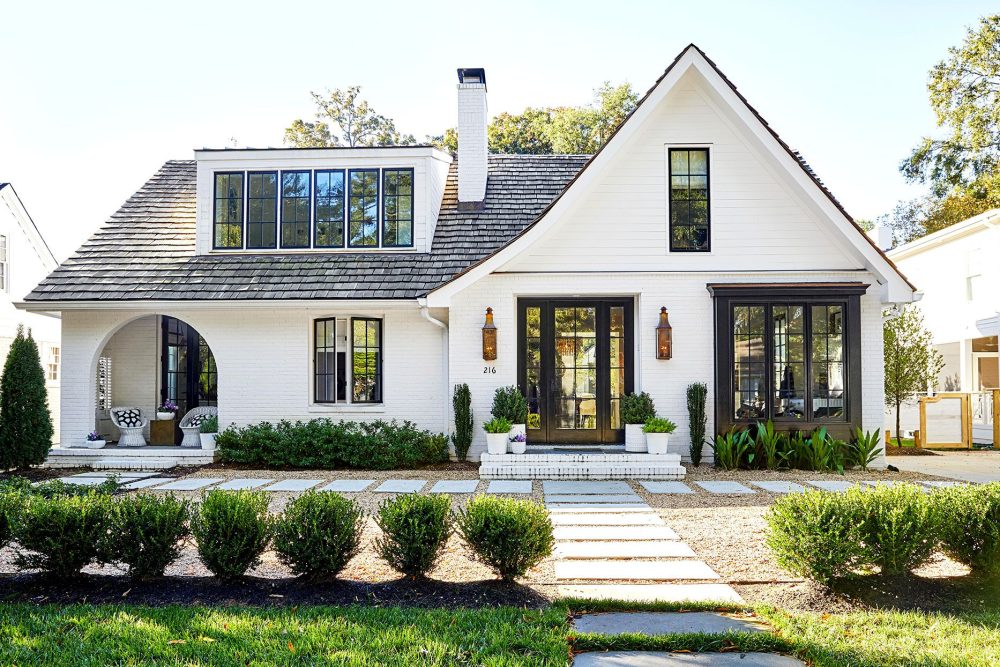

The exterior of a home plays a pivotal role in defining its overall aesthetic, first impressions, and functionality. Whether you’re building a new home or renovating an existing one, the exterior design must not only reflect your personal style but also complement the surrounding environment and meet the practical needs of daily life. From architectural features to landscaping, materials, and lighting, every element of the exterior contributes to a cohesive look that enhances the property’s value and livability. In this guide, we’ll explore the essential components of exterior design, offering practical advice and expert tips to help you achieve a stunning and functional exterior space.
The Importance of Exterior Design
Exterior design goes beyond just the beauty of a home’s facade; it serves several critical functions. The exterior of your property is the first thing people see when they visit, so it makes an immediate impression. It should communicate the style and personality of the homeowner while being both practical and durable. Here are several reasons why exterior design is important:
- Curb Appeal: A well-designed exterior boosts your home’s curb appeal, making it more inviting and attractive.
- Property Value: Homes with well-maintained, visually appealing exteriors tend to have higher resale values.
- Protection from the Elements: The exterior must be designed to withstand the elements, protecting the interior from weather-related damage.
- Energy Efficiency: A thoughtfully designed exterior with the right materials can enhance energy efficiency by reducing heat loss, improving insulation, and optimizing natural light.
Key Elements of Exterior Design
When it comes to exterior design, there are various factors to consider that contribute to the overall look and feel of your property. These include architectural style, materials, color schemes, landscaping, lighting, and functional features. Let’s explore each of these elements in more detail.
1. Architectural Style
The architectural style of your home is the foundation of exterior design. It defines the overall look and should reflect your personal preferences as well as the surrounding neighborhood. Common architectural styles include:
- Modern: Characterized by clean lines, open spaces, and minimalist design. Modern homes often feature large windows, flat roofs, and industrial materials like steel and concrete.
- Traditional: This style draws inspiration from classic European designs, often incorporating features like gable roofs, brick facades, and detailed molding.
- Contemporary: A more fluid and evolving style that blends elements from various design periods, often mixing different materials and features for a unique look.
- Rustic: Inspired by nature, rustic exteriors often feature wood, stone, and other natural materials to create a warm, earthy aesthetic.
- Colonial: Symmetrical design, brick or wood siding, and classic features like columns and shutters are trademarks of the Colonial style.
Choosing the right architectural style for your exterior design helps you create a home that feels cohesive and in harmony with its environment.
2. Materials
The choice of materials for your home’s exterior is a significant factor in both aesthetics and durability. Different materials offer various benefits in terms of cost, maintenance, and visual appeal. Here are some common materials used in exterior design:
- Brick: Known for its durability and classic appeal, brick is often used for traditional and colonial-style homes. It provides a timeless look and requires minimal maintenance.
- Wood: Wood adds warmth and texture to an exterior and is commonly used for rustic, cottage, and contemporary homes. However, it requires regular maintenance to prevent weathering and rot.
- Stucco: A popular material for Mediterranean and Spanish-style homes, stucco offers a smooth, polished look and is ideal for warmer climates.
- Vinyl Siding: Vinyl is a low-maintenance, cost-effective option that comes in various colors and styles. It is commonly used in traditional and modern homes due to its versatility.
- Stone: Stone offers a natural, earthy aesthetic and is often used for rustic and contemporary exteriors. It is durable and provides an organic, textured look.
- Metal: Steel, aluminum, and copper are used in modern and industrial homes, offering sleek finishes and enhanced durability. Metal exteriors often create a striking, bold statement.
3. Color Scheme
The color scheme of your exterior plays a crucial role in the overall design and mood of your home. The right colors can make a dramatic statement, while a poor choice can detract from the beauty of the property. When selecting exterior colors, consider:
- Complementary Colors: Choose colors that complement each other and create a balanced look. For example, a white or light neutral color for the main body of the house with darker accents like black or navy for shutters or doors.
- Earth Tones: Earthy hues like brown, beige, and taupe blend well with natural surroundings, particularly for rustic and traditional styles.
- Bold Accents: Use bold accent colors on doors, trim, or shutters to add personality and a modern touch. Bright red, navy blue, and even charcoal can make these features pop.
- Neutral Shades: Neutral tones like gray, white, or beige are timeless and versatile, easily complementing a range of other design elements, including landscaping and outdoor furnishings.
4. Landscaping
Landscaping is a key aspect of exterior design, contributing to the overall curb appeal and functionality of the space. Well-designed landscaping can soften the appearance of the home and create a more welcoming environment. Here are some tips for effective landscaping:
- Create Layers: Layer plants of different heights, colors, and textures to create depth and interest in your landscaping. Incorporate shrubs, flowers, and trees for a balanced look.
- Pathways and Walkways: Design attractive walkways using materials like stone, gravel, or brick to guide guests to the front door. These pathways help create a sense of flow and organization.
- Outdoor Living Spaces: Consider adding patios, decks, or pergolas to extend the livable space of your home. These areas can be great for entertaining or relaxing in the fresh air.
- Low-Maintenance Plants: If you’re looking for a hassle-free landscape, consider incorporating low-maintenance, drought-tolerant plants such as succulents, grasses, and native plants that require minimal upkeep.
5. Lighting
Exterior lighting serves both a functional and decorative purpose. It illuminates the space, enhances security, and adds ambiance to outdoor areas. Consider the following types of lighting:
- Ambient Lighting: General lighting for overall illumination, such as porch lights or recessed lighting along walkways.
- Task Lighting: Focused lighting for specific tasks, such as reading or cooking outdoors, often found on patios or near grills.
- Accent Lighting: Used to highlight architectural features or landscaping, such as uplighting for trees, wall sconces, or spotlighting for sculptures.
- Pathway Lighting: Illuminate walkways with soft, subtle lights to guide visitors and enhance safety.
Enhancing Functionality with Exterior Features
Incorporating functional features into your exterior design can improve both the aesthetics and practicality of your home. Here are a few ways to enhance your home’s functionality:
1. Porches and Patios
A porch or patio can add both curb appeal and extra outdoor living space. Consider adding a porch with a swing, or a patio with a firepit, seating, and ambient lighting to create a cozy, inviting outdoor area.
2. Driveways and Garage Doors
Your driveway and garage door are essential components of your exterior design. Opt for materials and designs that complement the architectural style of your home. A well-designed driveway with patterned pavers or natural stone can elevate the entrance.
3. Windows and Doors
Windows and doors are focal points of the exterior. Choosing high-quality windows with energy-efficient glass can enhance insulation and reduce heating and cooling costs. Consider adding decorative trim or shutters to complement your overall exterior design.
4. Fencing and Gates
Fencing not only adds privacy and security but also contributes to the overall aesthetic. Whether you choose a classic wood picket fence or a sleek, modern metal design, it should harmonize with the architectural style of your home.
Sustainable Exterior Design
Sustainability is an increasingly important consideration in exterior design. Eco-friendly materials, energy-efficient features, and sustainable landscaping practices can help reduce the environmental impact of your home. Here are a few sustainable design ideas:
- Solar Panels: Incorporate solar panels to reduce your carbon footprint and lower energy costs.
- Rainwater Harvesting: Install a rainwater collection system to irrigate your landscape, reducing water usage.
- Green Roofs: Green roofs, which are covered with plants, provide insulation and reduce heat island effects, especially in urban areas.
- Permeable Paving: Use permeable materials for your driveway and walkways to allow rainwater to filter through and reduce runoff.
Frequently Asked Questions
How can I make my home’s exterior stand out?
To make your home’s exterior stand out, use bold accent colors on doors or shutters, incorporate unique materials like stone or metal, and invest in quality landscaping to create a welcoming and personalized atmosphere.
What is the best material for a low-maintenance exterior?
Vinyl siding, fiber cement, and brick are excellent choices for low-maintenance exteriors. These materials are durable, resistant to the elements, and require minimal upkeep.
How can I improve my home’s energy efficiency through exterior design?
Focus on proper insulation, energy-efficient windows and doors, and exterior features like solar panels or reflective roofing. These measures will help reduce energy consumption and improve the overall efficiency of your home.
What exterior features add the most value to a home?
Features such as high-quality landscaping, attractive entryways, energy-efficient windows, and functional outdoor spaces like decks or patios can significantly enhance the value of a home.
What is the best exterior paint for a coastal climate?
For coastal areas, opt for high-quality, weather-resistant paint, such as acrylic latex or elastomeric coatings. These paints are durable and can withstand the salty air and moisture commonly found in coastal environments.
With these expert tips and insights, you can create an exterior design that not only enhances the visual appeal of your home but also improves its functionality, value, and energy efficiency. Whether you’re aiming for a modern, rustic, or traditional style, thoughtful exterior design can make a lasting impression and elevate your living experience.